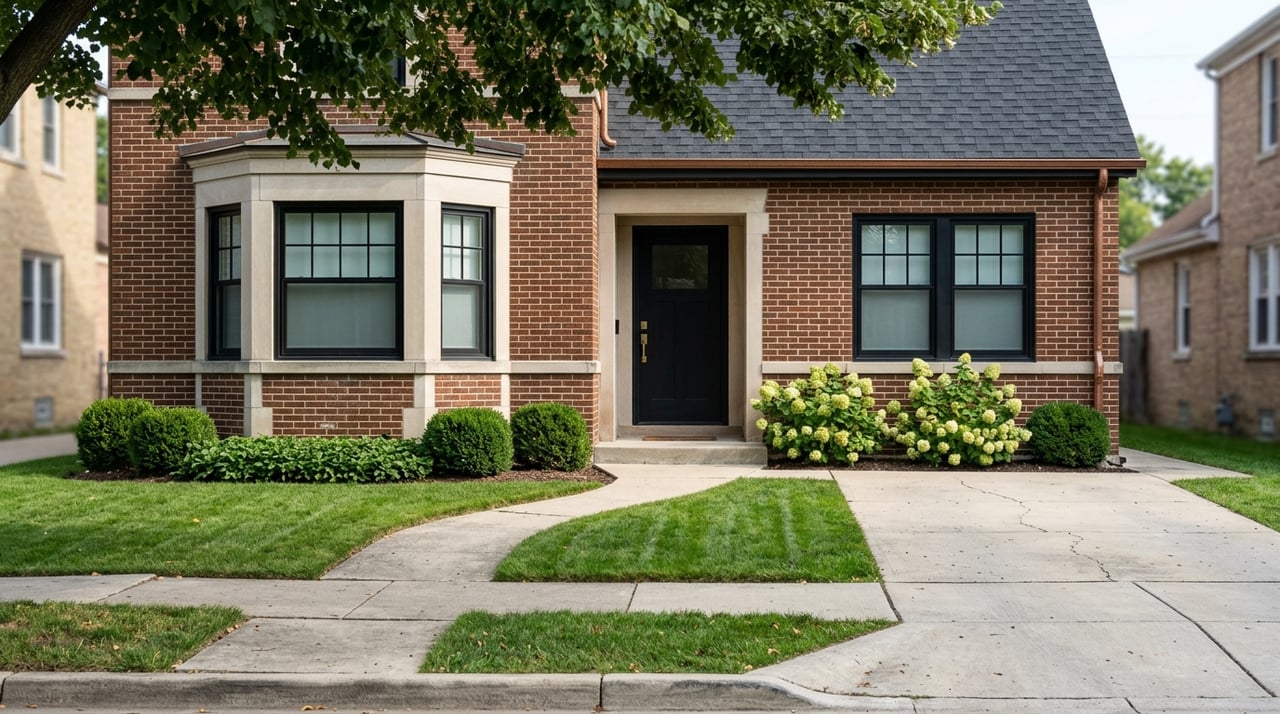
Looking for a Chicago neighborhood that feels more residential, more established, and more single-family focused than many people expect on the South Side? Pill Hill stands out for exactly that reason. If you are exploring homes in 60617 and want a clearer picture of what daily life and housing look like here, this guide will help you understand why this pocket continues to attract buyers who want space, character, and a strong residential feel. Let’s dive in.
Where Pill Hill Is
Pill Hill is best described as an informal pocket within Calumet Heights on Chicago’s South Side. The City of Chicago notes that neighborhood names and boundaries are approximate rather than official, so it is most accurate to think of Pill Hill as a commonly used sub-neighborhood instead of a formal administrative area. You can review the city’s guidance on Chicago neighborhood boundaries and names for that context.
A frequently cited boundary box places Pill Hill around 91st Street, Cregier Avenue, 95th Street, and Paxton Avenue. In practical terms, buyers usually recognize it less by a strict map and more by its distinct housing style and residential atmosphere.
Why Pill Hill Feels Different
Pill Hill has a reputation for a quieter, more suburban-like street feel while still being within Chicago. According to Chicago Magazine’s look at the area’s architecture and history, the neighborhood name is tied to doctors who worked at nearby South Chicago Hospital and moved into the area in the 1960s.
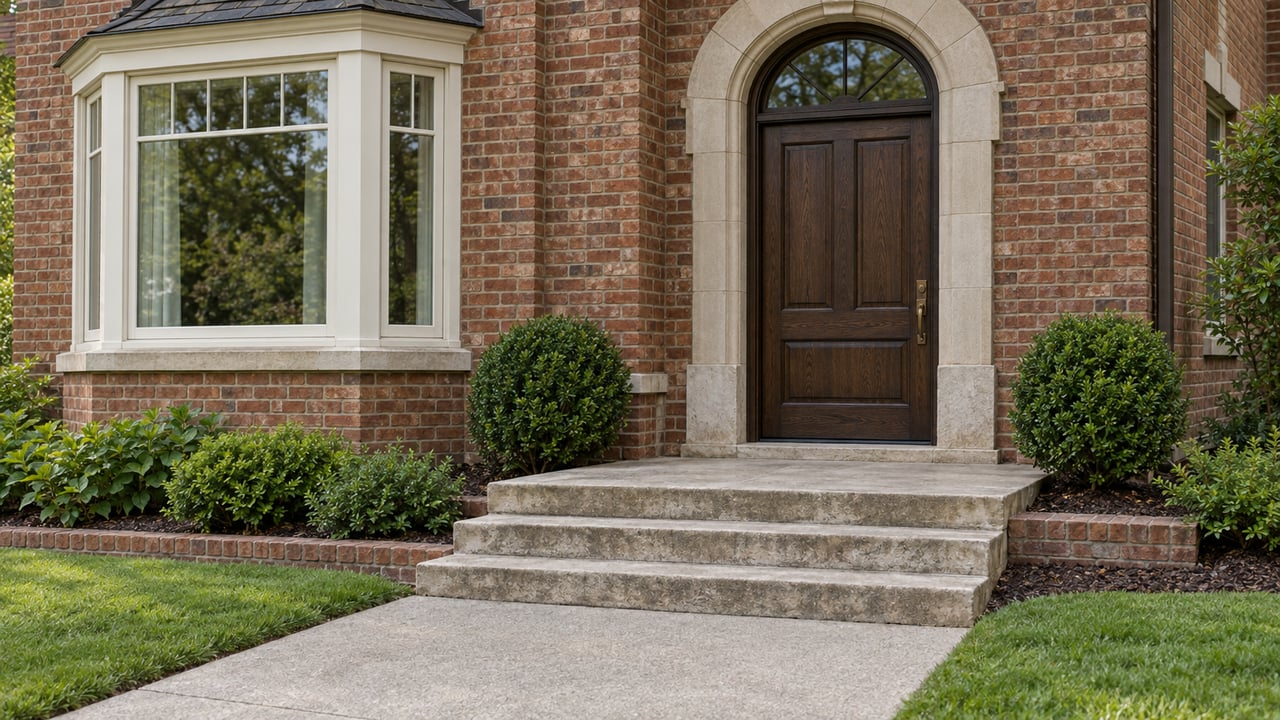
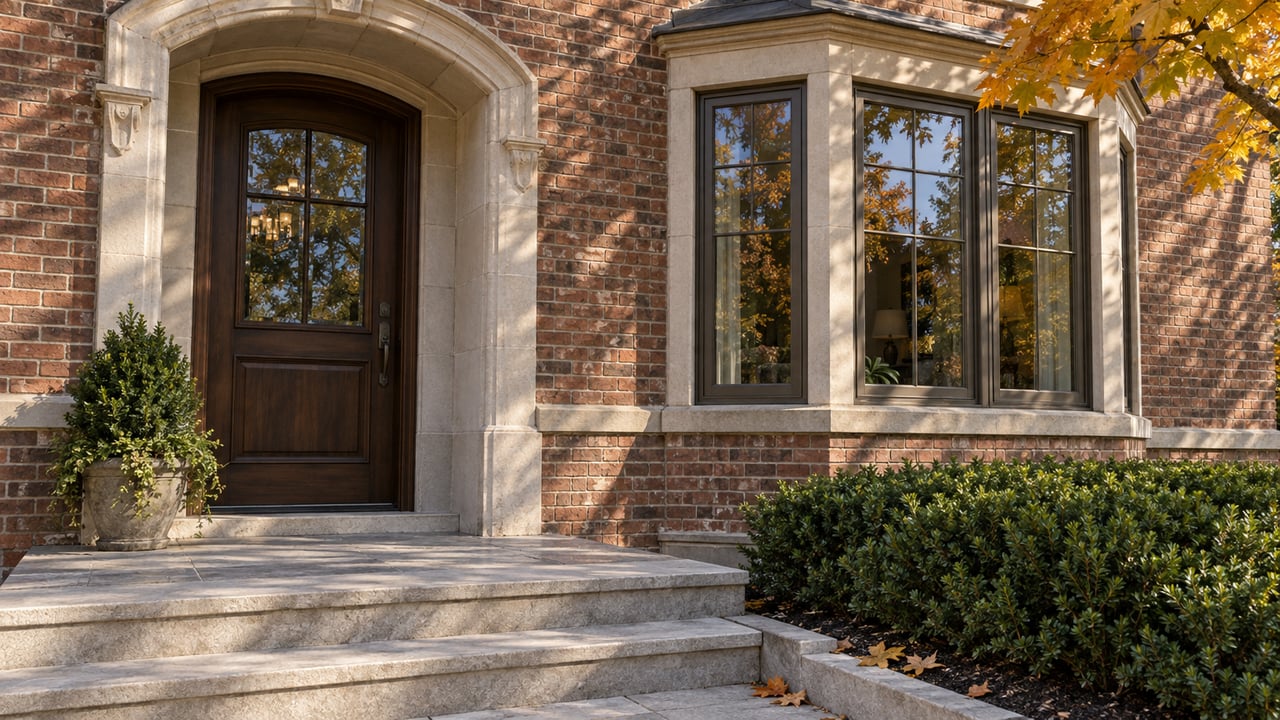
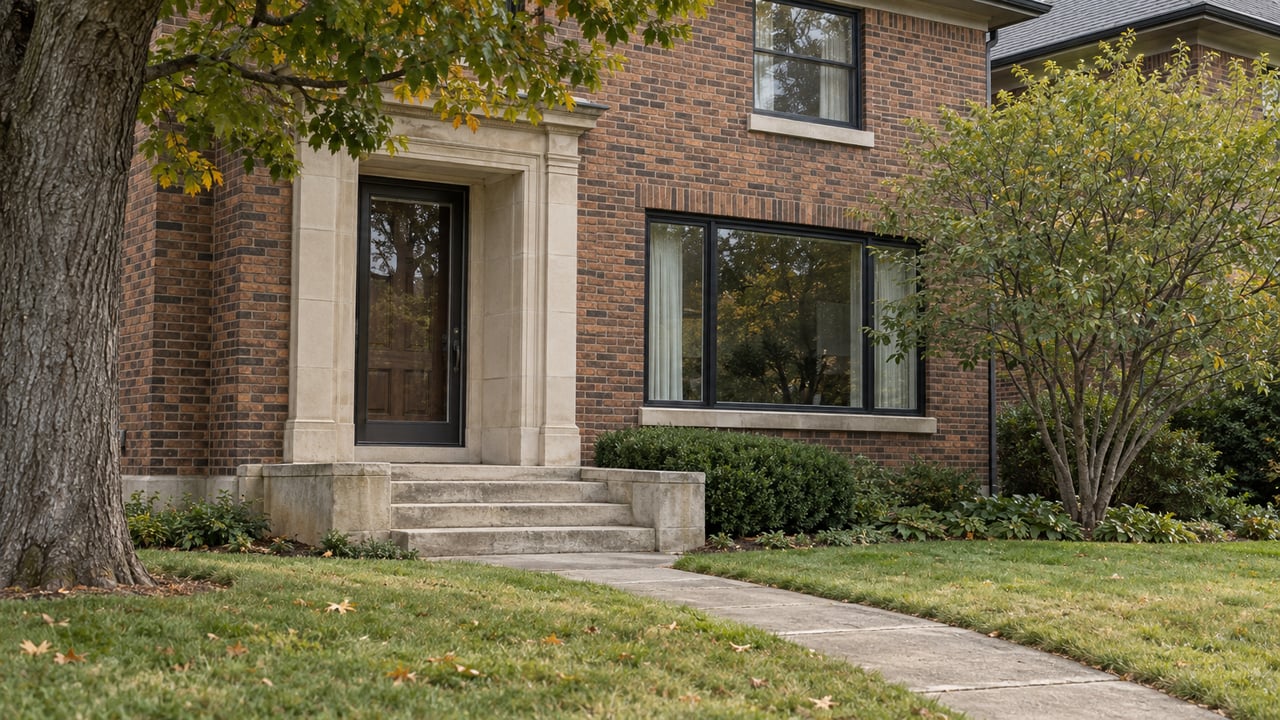
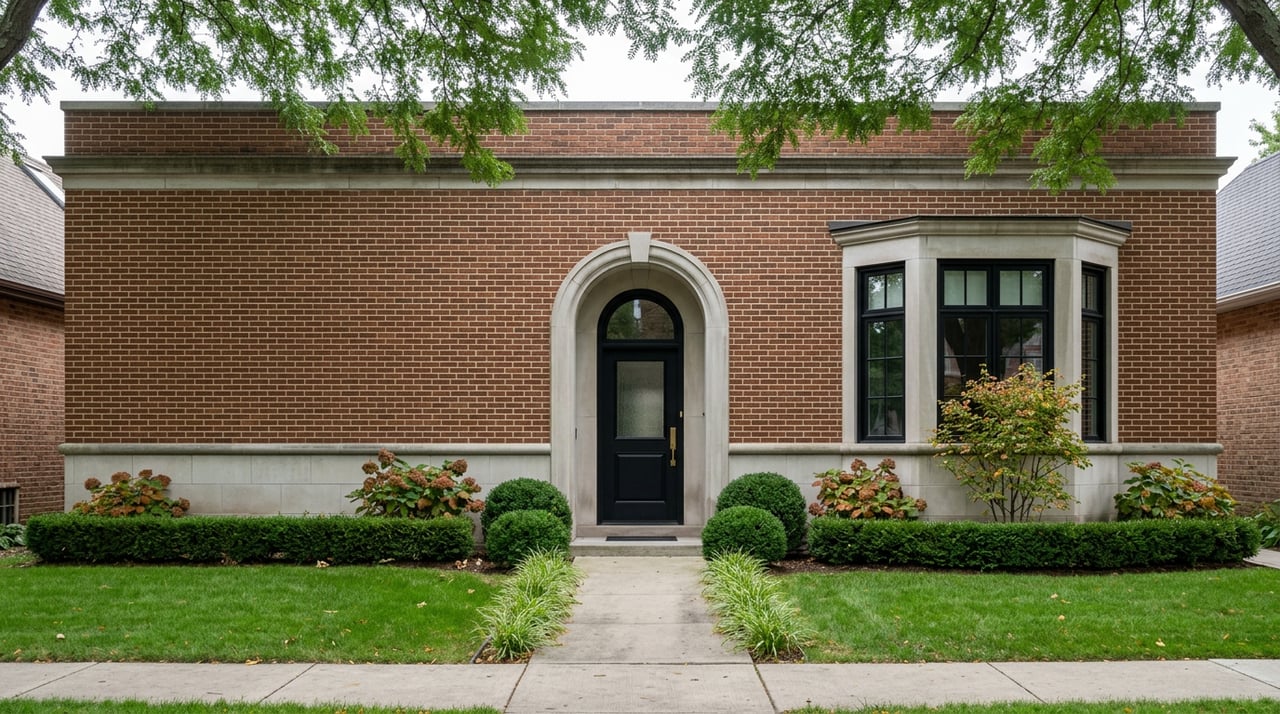
That same source describes Pill Hill as a preserved mid-century modern enclave. For you as a buyer, that often translates into streets with a cohesive residential character, established homes, and a look that feels different from denser apartment-heavy parts of the city.
Single-Family Character In Pill Hill
If your goal is single-family living, the broader Calumet Heights data strongly support Pill Hill’s reputation. Because Pill Hill does not have its own official census profile, the most reliable public data come from the Calumet Heights community area snapshot used by CMAP.
In Calumet Heights, detached single-family homes account for 69.6% of housing units, and 38.7% of land use is single-family residential. The area also has a 70.5% owner-occupancy rate, while only 2.8% of housing units are in buildings with 20 or more apartments, according to the CMAP community snapshot.
That does not mean every block is identical or that every property is detached. It does mean the area is predominantly residential and strongly single-family in character, which is an important distinction if you are comparing it with denser Chicago locations.
What Homes Typically Look Like
One of the biggest draws here is the housing stock itself. The Calumet Heights housing profile from CMAP shows a median year built of 1951, and 60.0% of homes were built between 1940 and 1969.
That age range matters because it helps explain the area’s established, mid-century feel. It is not a new-construction-heavy market. Instead, you are more likely to find homes with mature surroundings, more architectural consistency, and layouts that reflect the design priorities of the postwar era.
The same CMAP report shows that 48.9% of units have three bedrooms. For buyers who want more everyday functionality, that points to a housing mix that often supports guest space, work-from-home flexibility, or room to grow without leaving the city.
What Daily Life Looks Like
Pill Hill’s appeal is not only about architecture. It is also about how the area functions day to day. The data suggest a neighborhood that is car-oriented but not car-dependent in only one way.
In Calumet Heights, 57.9% of workers drive alone, 14.2% use transit, and 25.1% work from home. The CMAP transportation data also show a mean commute of 38.2 minutes, with 52.3% of occupied households having one vehicle and 24.6% having two.
For you, that means Pill Hill can work well if you want the flexibility of a residential setting with multiple ways to structure your commute. Some households rely on a car, some blend driving and transit, and some benefit from space that makes remote work easier.
Access Around The Area
The southeast side’s broader transportation layout adds another layer of convenience. CPS notes that the Greater Stony Island region, which includes Calumet Heights, is bisected by the Chicago Skyway, extends to 103rd Street, and is served by four CTA train stops and 14 Metra stops. You can see that broader context in the Greater Stony Island regional overview.
That does not mean every stop is inside Pill Hill itself. It does show that the surrounding region supports access to rail and expressway infrastructure, which is useful if your work or routine takes you toward other parts of Chicago or nearby employment centers.
Nearby Medical And Employment Connections
Pill Hill’s history and location are closely tied to healthcare. Advocate Trinity Hospital is located at 2320 E. 93rd St. in Chicago’s 60617 ZIP code, giving the area a nearby major medical anchor.
The local economy also reflects that connection. CMAP’s Calumet Heights employment table shows healthcare as the top industry both for residents and for jobs located in the community area. The same report lists common employment destinations that include the Loop, Near North Side, Near West Side, and Hyde Park.
For buyers, that makes Pill Hill worth a look if you want a residential home base with practical access to major employment areas. The data also suggest relevance for people connected to healthcare, education, public administration, or transportation-related work.
Who Pill Hill May Suit Best
Pill Hill can make sense for a range of buyers, especially if your priorities lean toward space and residential character. You may want to explore it more closely if you are looking for:
- A mostly detached-home setting within Chicago
- An established mid-century housing stock
- A higher owner-occupancy environment
- A home with three-bedroom potential
- A residential base with access to major job centers
It may be especially appealing if you want a neighborhood that feels grounded and established rather than rapidly built out or dominated by large apartment buildings.
What To Keep In Mind As You Search
Because Pill Hill is an informal sub-neighborhood, local guidance matters. Online maps may not all define it the same way, and listings may reference either Pill Hill or Calumet Heights depending on the source.
It is also smart to focus on the features of the specific block and home rather than relying only on the name. Since the strongest public data are at the Calumet Heights level, an experienced, neighborhood-savvy home search can help you better understand which properties truly match the single-family lifestyle you want.
Why Local Guidance Helps
When you are buying in a niche pocket like Pill Hill, context matters. You want to know not just what is for sale, but how the housing stock, commute patterns, and neighborhood identity fit your goals.
That is where a local, hands-on approach can make your search more efficient. If you want help comparing homes in Pill Hill, Calumet Heights, and nearby South Side areas, Christina Horne can help you narrow down the right fit and guide you through the process with clear, practical advice.
FAQs
Is Pill Hill an official Chicago neighborhood?
- No. The City of Chicago treats neighborhood names and boundaries as approximate, so Pill Hill is best described as an informal pocket within Calumet Heights.
What kind of homes are common in Pill Hill?
- The strongest available public data for the surrounding Calumet Heights area point to a predominantly single-family housing pattern with many detached homes and an established mid-century housing stock.
Is Pill Hill mostly apartments or mostly houses?
- Based on Calumet Heights data, the area reads much more as a house-focused residential market than an apartment-dominant one, with only 2.8% of units in buildings with 20 or more apartments.
What is the housing age in the Pill Hill area?
- In the broader Calumet Heights community area, the median year built is 1951, and 60.0% of homes were built from 1940 to 1969.
Is Pill Hill a good fit for commuters?
- It can be a practical option for many commuters because the surrounding southeast-side region has expressway access and broader CTA and Metra connectivity, while local data also show a mix of driving, transit use, and work-from-home patterns.