If you are eyeing a 2 to 4 flat in Bronzeville, it is easy to get pulled in by the upside and overlook the details that make or break the deal. This is a neighborhood area with real history, active sales activity, and a housing mix that can vary block by block. If you want to invest with more confidence, you need a clear way to evaluate price, rent, condition, taxes, and legal use before you write an offer. Let’s dive in.
Why Bronzeville attracts 2 to 4 flat buyers
Bronzeville stands out because it is both a State-designated cultural district and part of the Bronzeville-Black Metropolis National Heritage Area, which gives the area a distinct identity and long-term appeal. For market analysis, though, there is a catch. Public data usually does not track Bronzeville as one clean, official series, so you often have to study nearby community areas like Douglas, Grand Boulevard, Oakland, and Washington Park as proxies, as explained by CMAP’s community-area framework.
That matters because the small multifamily opportunity is not evenly spread across those areas. According to CMAP community data, Grand Boulevard has 25.5% of its housing in 2 to 4 unit properties, and Washington Park has 24.2%. By comparison, Oakland is at 12.1% and Douglas is at 6.5%, with Douglas skewing more heavily toward larger 20+ unit buildings.
Start with the market numbers
Before you run projections, get a feel for today’s pricing environment. Redfin’s Bronzeville housing market data showed a February 2026 median sale price of $320,000, up 4.1% year over year, with a 98-day median market time. That tells you demand is present, but deals may still require patience and careful selection.
For small multifamily context across the city, Chicago Association of REALTORS® data cited in the research showed a February 2025 median sale price of $422,950 for 2 to 4 unit buildings, with 172 sales. That citywide benchmark is useful because it reminds you that Bronzeville pricing should be read in context, not in isolation.
Know which Bronzeville subareas fit your strategy
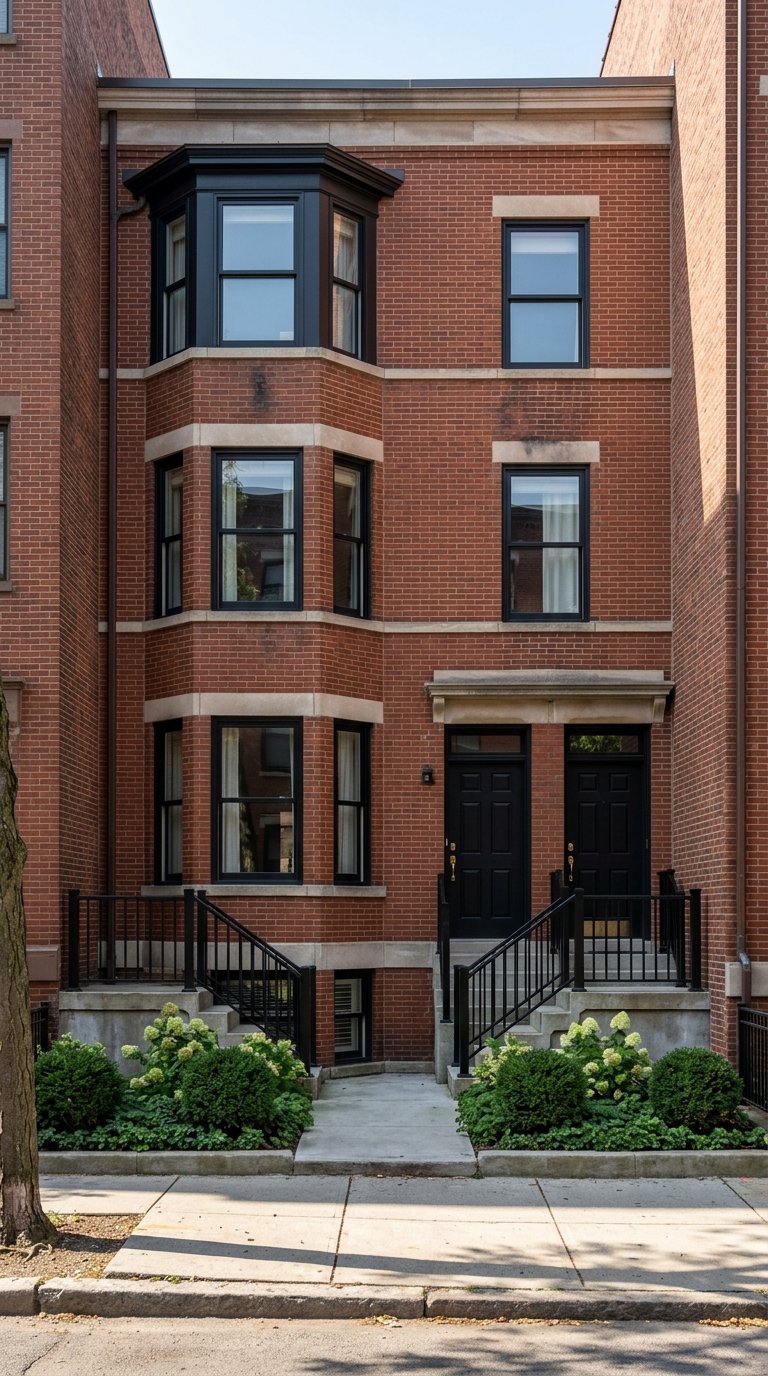
Not every Bronzeville-area purchase matches the same investment plan. If you are looking for classic vintage 2 to 4 flats, Grand Boulevard and Washington Park may offer more of the building stock you want. If you prefer a lighter value-add path, Oakland may present opportunities that lean more toward modernization than full-scale rehab.
Housing age helps explain why. CMAP data shows that 32.5% of Grand Boulevard housing and 36.8% of Washington Park housing were built before 1940. Oakland is much newer by comparison, with a median year built of 1994, while Douglas trends younger overall than Grand Boulevard and Washington Park.
Underwrite rents the smart way
One of the biggest mistakes buyers make is chasing a single “Bronzeville average rent” and treating it like a fact. Public data does not really work that way here. Since Bronzeville spans multiple community areas, your rent estimate should be a triangulation, not a shortcut.
A good starting point is CMAP’s Local Housing Profiles and Community Data Snapshots. CMAP relies on ACS five-year estimates and also cautions that margins of error can be larger in smaller geographies. That means public data is best used to set a baseline, then checked against current listings and recent leased comps.
For citywide context, Chicago’s housing profile puts the 2019 to 2023 median gross rent at $1,380. On a simple example, a fully rented 2-flat at that level would bring in about $2,760 per month before vacancy and expenses.
That same dataset also shows why affordability matters in your projections. In Chicago, 22.8% of renters were cost-burdened and 25.0% were severely cost-burdened. In plain English, you want your rent assumptions to be realistic for the actual market, not just hopeful on paper.
A practical rent workflow
Use this simple sequence when you evaluate a building:
- Start with CMAP and ACS data to set a public-data rent range.
- Review current listings and recent leased comps to see what the market is actually accepting.
- Adjust for unit mix, condition, parking, updates, and whether tenants pay utilities.
- Build in vacancy and repair assumptions before deciding what the property can really support.
Account for vacancy and monthly carry
Your gross rent is only the top line. To understand whether a 2 to 4 flat works, you need a realistic operating picture. Recent Chicago multifamily market reporting from Northmarq suggests vacancy has been roughly in the low-5% range, while rent growth has remained in the mid-single digits.
That does not mean every building should be underwritten the same way. It does mean a conservative vacancy allowance makes sense, especially if the property needs updates, has below-market rents, or may turn over units after closing.
You also need to remember that monthly ownership costs are broader than the mortgage payment. According to Chicago’s Local Housing Profile, the city’s median monthly owner costs with a mortgage were $2,295 in 2023, including taxes, insurance, utilities, mortgage payments, and certain fees where applicable. For investors, that is a useful reminder that true carrying costs can add up fast.
Verify taxes before you offer
Property taxes can change your deal more than almost any cosmetic issue. Before you write an offer, pull the current tax information and look at the history. Do not rely only on seller-provided numbers or old listing remarks.
Cook County makes this easier than many buyers realize. You can use the Cook County Assessor’s address search to search by address or PIN and compare similar properties. You should also review the bill history through the Treasurer’s office if available during your due diligence process.
Check zoning parcel by parcel
With 2 to 4 flats, legal use matters just as much as layout. A building may look like a straightforward multifamily property, but zoning and parcel-level details still need to be verified before you count on future changes. Neighborhood-wide assumptions are not enough.
This matters even more in Bronzeville because your investment plan may depend on adding parking, changing entrances, adjusting unit count, or reworking the building over time. The research is clear that Chicago zoning should be verified by address or PIN and not read reliably at the neighborhood scale.
Budget for condition, not just cosmetics
Older Bronzeville-area housing can offer strong upside, but it may also come with more repair complexity than first-time investors expect. In older subareas like Grand Boulevard and Washington Park, the age mix suggests you may be dealing with more than flooring, paint, and appliances. Mechanical systems, masonry or envelope issues, plumbing, basement water concerns, and safety updates may all be part of the real budget.
By contrast, some Oakland-style opportunities may lean more toward layout refreshes and modernization. That does not make them automatically easier, but it can shift the work from heavy rehab toward design and efficiency improvements. The key is to match your budget, timeline, and tolerance for construction risk to the actual building you are buying.
If you plan to owner-occupy, talk to a lender early
A 2 to 4 flat is not underwritten like a typical single-family purchase. If you plan to live in one unit and use rental income to help support the deal, bring your lender into the conversation before you make an offer. That step can save you time and help you target the right price range.
The CFPB notes that rent from a multiple-unit property where the borrower lives in one or more units may be used for qualifying purposes. Since lender standards and documentation requirements can vary, it is smart to confirm exactly how projected or current rents will be treated.
Bring in an attorney and management plan early
In Illinois, legal review is not something to leave until the very end. That is especially true when you are buying a multifamily building with existing tenants, leases, deposits, or questions about condition and title. Early legal guidance can help you understand what you are actually taking on.
The Illinois State Bar Association notes that attorneys commonly handle the closing process, review title and other documents, and that multifamily properties require extra consideration beyond a standard single-family purchase.
You should also decide how the property will be run after closing. If you are not planning to self-manage, line up property management before you close, especially if the building will need leasing support, maintenance coordination, tenant screening, or turnover management. Your underwriting should reflect your real operating plan, not an idealized one.
A repeatable way to analyze a Bronzeville 2 to 4 flat
If you want a clean process, focus on the same steps every time:
- Review local context using CMAP community snapshots and housing profiles.
- Compare the asking price to recent market activity and citywide 2 to 4 unit benchmarks.
- Estimate rents using public data first, then confirm with live market evidence.
- Verify taxes by address or PIN.
- Check zoning and legal use parcel by parcel.
- Inspect for age-related systems and deferred maintenance.
- Talk with your lender early if rental income affects qualifying.
- Involve an attorney before the deal gets too far down the road.
- Decide whether you will self-manage or hire management before closing.
That process will not eliminate risk, but it can help you avoid the most common and expensive mistakes.
If you are thinking about buying a 2 to 4 flat in Bronzeville, the goal is not to guess the perfect rent number or chase a trend. It is to build a repeatable underwriting method that fits the property, the block, and your investment plan. If you want experienced, hands-on guidance as you compare options and evaluate the numbers, connect with Christina Horne.
FAQs
What makes Bronzeville a useful area for 2 to 4 flat investing?
- Bronzeville and its surrounding community areas include a meaningful share of classic small multifamily housing, especially in Grand Boulevard and Washington Park, where CMAP data shows a stronger concentration of 2 to 4 unit buildings.
How should you estimate rents for a Bronzeville 2 to 4 flat?
- Start with CMAP and ACS public data for a baseline, then validate that estimate with current listings and recent leased comps because Bronzeville does not have one single official rent series.
Why do taxes matter so much when buying a Bronzeville multifamily property?
- Property taxes can materially change your monthly carrying costs and projected returns, so you should verify current and historical tax data before writing an offer.
What should you inspect in an older Bronzeville 2 to 4 flat?
- In older housing stock, pay close attention to mechanical systems, plumbing, basement water issues, exterior envelope conditions, and safety-related updates in addition to cosmetic finishes.
Can rental income help you qualify for a Bronzeville owner-occupied 2 to 4 flat?
- Yes, projected or actual rent may help with qualifying in some cases, but you should confirm the lender’s requirements early because the rules and documentation can vary.
Who should you involve before buying a Bronzeville 2 to 4 unit building?
- At a minimum, you should plan to involve your lender early, and in Illinois it is also wise to involve an attorney early, especially if the building has tenants or multifamily-specific legal and closing issues.