Buying your first home can feel exciting right up until you start asking the big questions: How much cash do you really need, what kind of home fits your budget, and how competitive is the market right now? If you are looking at Homewood, IL, you are in a place that offers a mix of affordability, commuter convenience, and a range of entry-level housing options. This guide walks you through what first-time buyers should know about the Homewood market, upfront costs, loan help, and what happens after your offer is accepted. Let’s dive in.
Why first-time buyers look at Homewood
Homewood gives you a south-suburban location with practical access to both local amenities and regional commuting routes. The village is about 25 miles south of Chicago’s Loop, and its downtown sits within blocks of the Metra station, with Amtrak service and quick access to I-80, I-294, I-57, and U.S. Route 30.
That commuter setup matters if you want to balance monthly cost, travel time, and maintenance. Homewood also has a high owner-occupied housing rate of 81.7%, a 2024 population estimate of 18,789, and a 2020-2024 median owner-occupied home value of $221,100, which helps frame what many buyers are shopping for locally.
What the Homewood market looks like
If you are worried that every listing will turn into a bidding war, the current data suggests a more balanced picture. Homewood is not moving in one extreme direction across every platform, but the overall trend points to a market where well-priced homes can attract attention without every buyer needing to waive protections or offer far over asking.
Redfin reported that in March 2026, homes in Homewood sold in about 79 days on average and received 2 offers on average, with a median sale price of $225,500. Realtor.com’s March 2026 snapshot showed 130 homes for sale, a median listing price of $230,000, a 100% sale-to-list ratio, and labeled the market balanced.
Zillow’s March 31, 2026 data showed an average home value of $243,248, 109 homes for sale, and homes going pending in around 34 days. These numbers do not match exactly because each source tracks the market a little differently, but together they suggest the same practical takeaway: you should be prepared, but you do not need to assume every Homewood home requires an aggressive over-ask offer.
Which Homewood home types fit first-time buyers
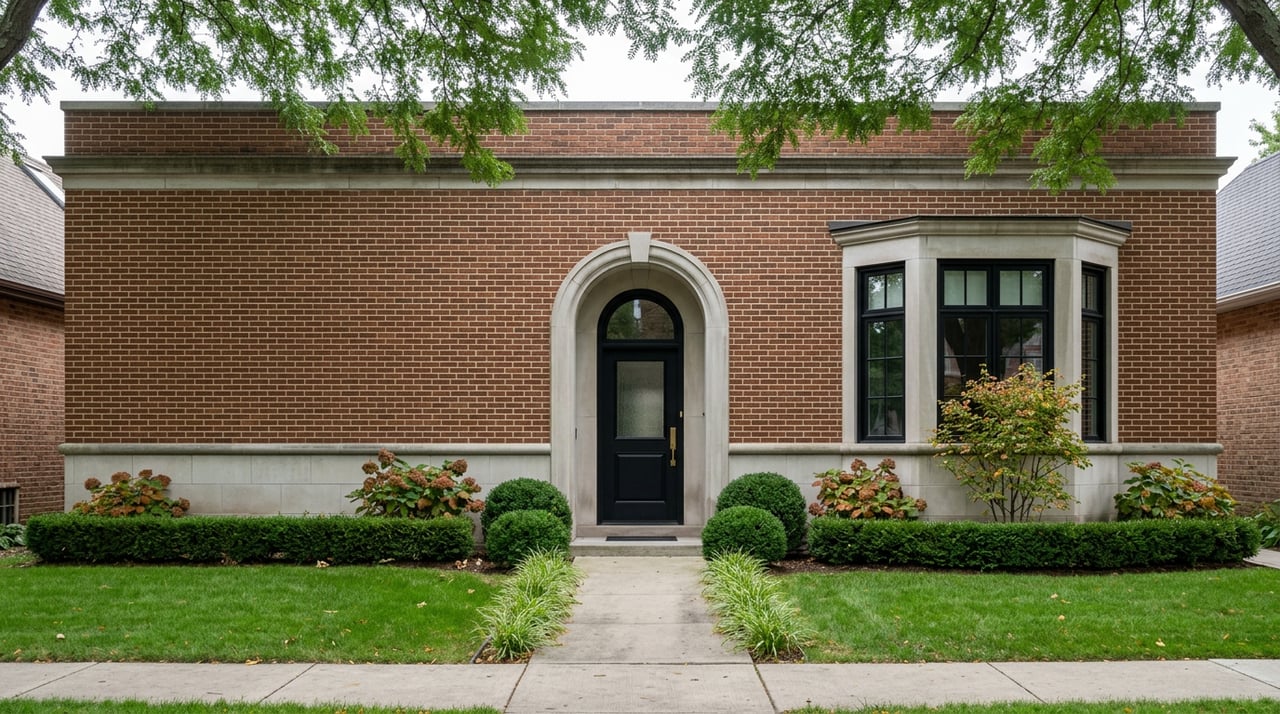
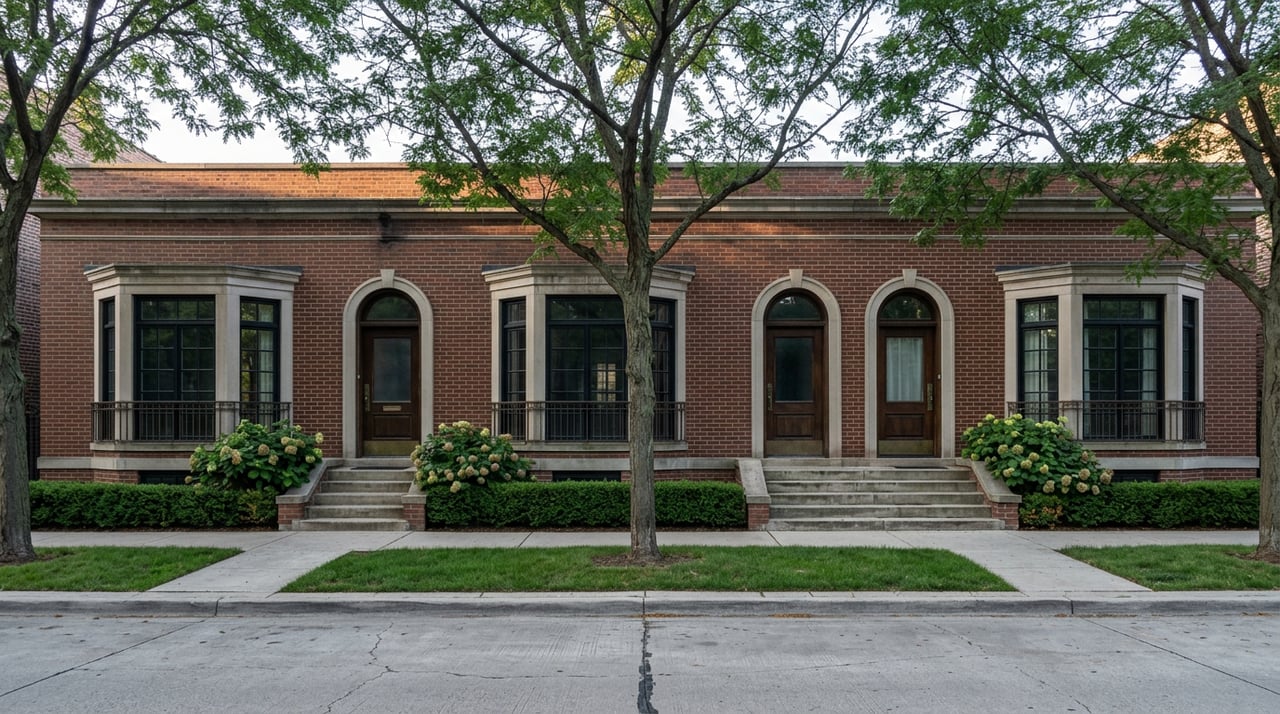
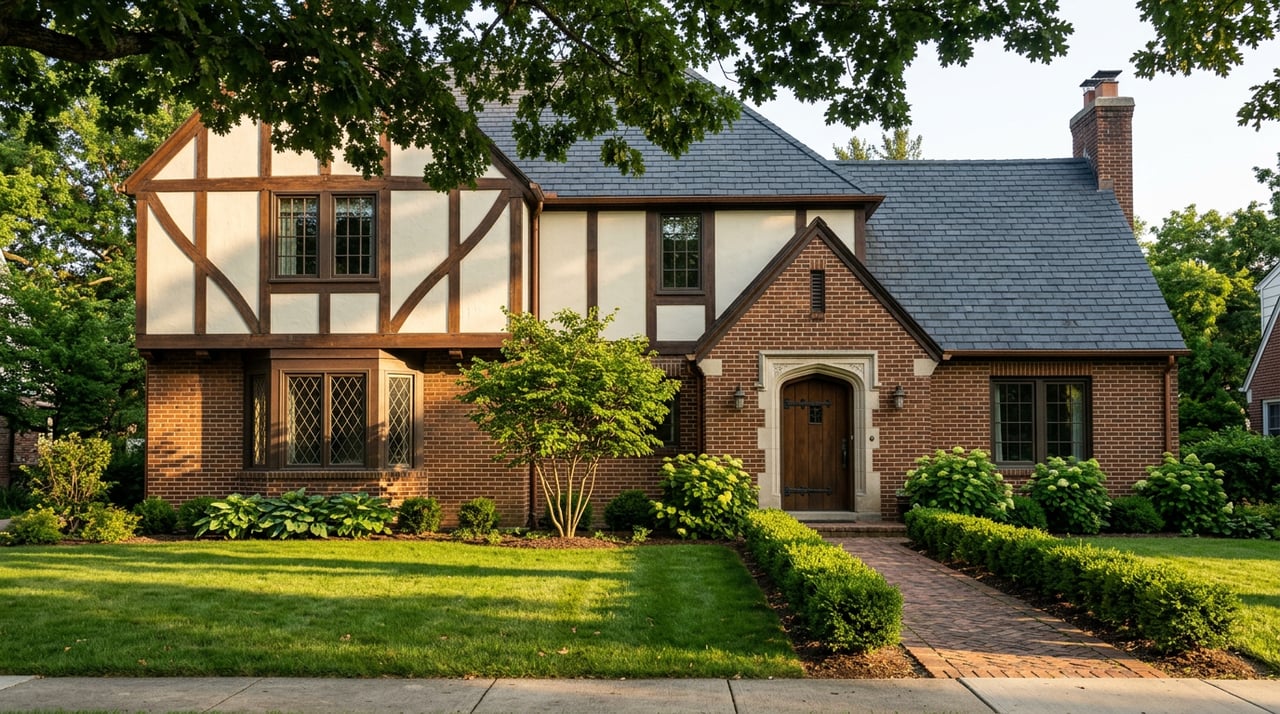
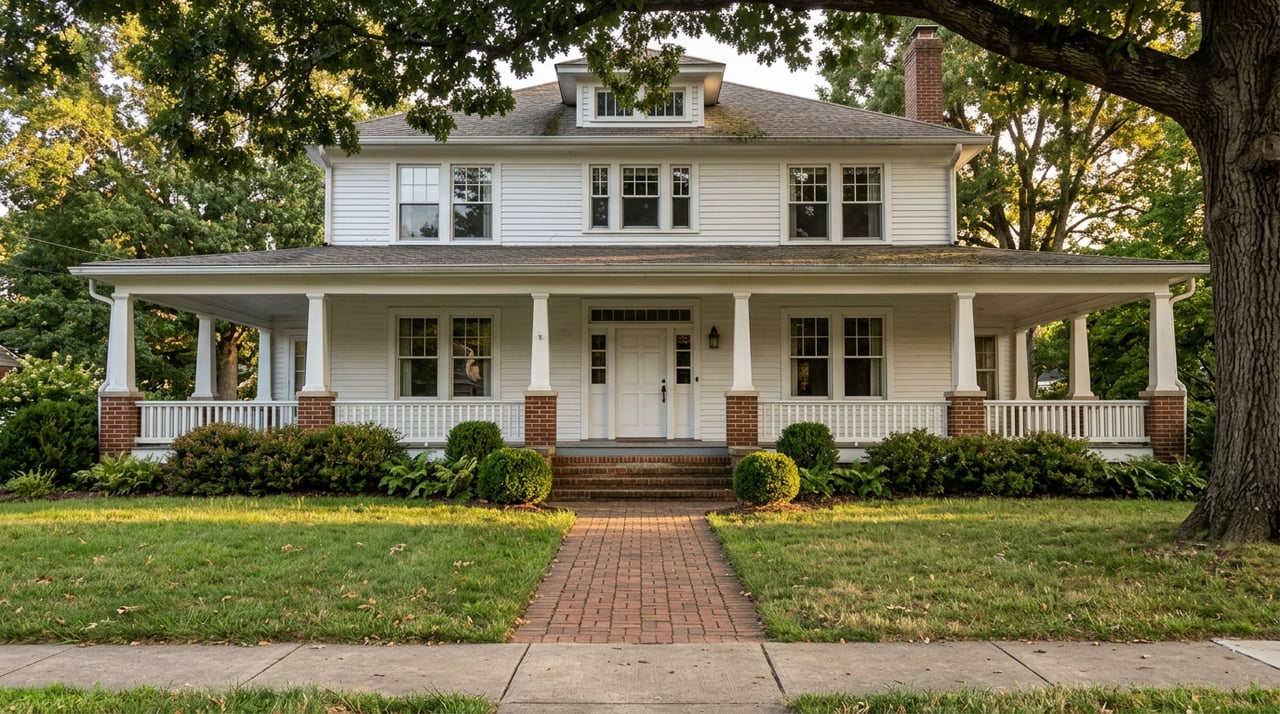
A lot of first-time buyers picture a traditional detached suburban house, but that is only part of the Homewood housing mix. Local zoning materials reference single-family districts, townhouse and transition districts, and multiple-family districts, and they also note that two- and three-flats exist throughout some single-family areas.
For most entry-level buyers, the realistic choices usually include:
- Smaller single-family homes
- Townhouses or attached homes
- Condos or co-op style options
That range matters because your best fit is not just about purchase price. It is also about monthly payment, upkeep, commute, and how much space you want to maintain.
Smaller single-family homes
If you want more privacy, a yard, or fewer shared walls, a smaller detached home may be your target. In Homewood, these homes can appeal to buyers who want a classic suburban setup without stretching into the higher end of the market.
The tradeoff is usually more maintenance and sometimes a higher total monthly cost than an attached option. You will want to compare not just price, but taxes, insurance, utilities, and expected upkeep.
Townhomes and attached options
Townhomes can be a strong middle-ground option for first-time buyers. They may give you more space than a condo while still reducing some exterior maintenance demands compared with a detached home.
In a commuter-friendly village like Homewood, attached homes near downtown or major routes can make a lot of sense. If you want easier access to the Metra station or highway connections, location and convenience may matter just as much as square footage.
Condos and similar low-maintenance options
If your top priorities are affordability and simpler upkeep, condo-style homes may be worth a close look. These options can work well for buyers who want to get into the market while keeping maintenance more predictable.
You will still want to review the full monthly cost carefully. A lower purchase price does not always mean a lower all-in payment if other monthly housing costs change the picture.
How much cash you need beyond the down payment
This is one of the biggest surprises for first-time buyers. Your down payment is only part of the money you may need to bring to closing.
According to the CFPB, closing costs typically run about 2% to 5% of the purchase price, not including your down payment. On a home around Homewood’s recent median price range, that can add up fast, so it is smart to budget for more than just your loan minimum.
Common closing-cost items can include:
- Appraisal fees
- Title insurance
- Government taxes
- Prepaid property taxes
- Prepaid homeowners insurance
- Prepaid interest
Cook County also has recording fees that matter in your final closing figures. The Cook County Clerk’s current fee schedule lists $107 recording fees for deeds and mortgages, and the Illinois Department of Revenue says counties may impose a real estate transfer tax of 25 cents per $500 of value, with home-rule municipalities potentially adding another transfer tax.
The main point is simple: when you build your homebuying budget, separate down payment cash from closing-cost cash. That gives you a much more realistic picture of what you can comfortably afford.
Illinois programs that may reduce upfront costs
If upfront cash is the biggest obstacle, Illinois has options worth exploring. For many first-time buyers, IHDA programs can make the difference between waiting longer and moving forward sooner.
IHDA’s current assistance options include:
- Access Home: 6% of the purchase price, up to $15,000, for down payment and closing costs
- Access Forgivable: up to $6,000
- Access Deferred: up to $7,500
- Access Repayable: up to $10,000
IHDA says many of these programs require only $1,000 or 1% of the purchase price from the buyer. Some programs also require a minimum 640 credit score and homeownership education before closing, and buyers are directed to an IHDA-approved lender for application and guidance.
If you think you may qualify, this is worth discussing early in your search. Assistance programs can affect your planning, lender choice, and timing, so it helps to understand those options before you start writing offers.
How to shop smart for your mortgage
Once you know your budget, the next step is not just getting preapproved. It is comparing lenders carefully.
The CFPB recommends comparing Loan Estimates from multiple lenders. Seeing more than one estimate can help you compare loan costs, lender responsiveness, and whether the lender seems equipped to meet your closing timeline.
For a first-time buyer, a strong preapproval can also improve your position when you make an offer. In a market like Homewood, where some homes still receive multiple offers, being organized and financially ready can matter more than making the most aggressive offer in town.
What a practical offer strategy looks like in Homewood
Because Homewood is showing balanced to somewhat competitive conditions, your offer strategy should be measured, not reckless. The goal is to be competitive without giving up protections you may need.
A smart first-time buyer offer often includes:
- A solid preapproval
- A price that reflects recent comparable sales
- Contingencies that match the property condition and seller timeline
- A realistic closing schedule
This local market data does not support the idea that every home needs a huge over-ask offer. Some listings will move quickly, especially if they are well-priced and well-presented, but many buyers can stay disciplined and still compete effectively.
What happens after your offer is accepted
Offer acceptance is a major milestone, but it is not the finish line. This is the phase where many important moving parts come together.
The CFPB places inspection and homeowners insurance shopping in the closing phase, alongside final loan work. That means you are not just waiting for closing day. You are actively reviewing the property, confirming financing, and lining up insurance at the same time.
Your closing checklist
After your contract is accepted, your next steps usually include:
- Finalizing your loan process with the lender
- Completing the inspection and reviewing results
- Shopping for homeowners insurance
- Tracking title, tax, and closing-related charges
- Reviewing your final closing figures
This phase is where details matter. Good communication and steady follow-up can make the difference between a smooth closing and a stressful one.
Review the Closing Disclosure carefully
By law, buyers must receive the Closing Disclosure at least three business days before closing. This is one of the most important documents in the transaction because it shows the final loan terms, projected payments, and closing costs.
The CFPB recommends comparing the Closing Disclosure with your latest Loan Estimate and asking questions about anything that changed. If more than one buyer is involved, or if the deed needs to be structured in a particular way, the CFPB also notes that buyers may want a real estate attorney to review documents before closing.
How to prepare for a smoother first purchase
A smoother first purchase usually starts with being realistic, not perfect. You do not need to know everything on day one, but you do need a plan for budget, financing, timing, and the type of home that fits your life.
In Homewood, that means understanding a market where homes can still draw competition, but buyers often have room to act thoughtfully. It also means looking beyond just the listing price and thinking about total monthly cost, commute needs, maintenance, and available Illinois assistance.
If you want a clear, step-by-step path into the Homewood market, working with a local advisor can help you sort through home types, compare real costs, and stay organized from the first tour to the closing table. When you are ready to talk through your next move, connect with Christina Horne for thoughtful, local guidance tailored to your goals.
FAQs
How competitive is the Homewood, IL housing market for first-time buyers?
- Homewood appears balanced to somewhat competitive based on March 2026 market snapshots. Some homes receive multiple offers, but the market is not showing uniformly overheated conditions across the board.
How much cash should a first-time buyer expect to need in Homewood beyond the down payment?
- The CFPB says closing costs typically run about 2% to 5% of the purchase price, not including the down payment. Buyers should also expect line items such as appraisal fees, title insurance, prepaid taxes, insurance, interest, and local recording-related charges.
What home types are most realistic for first-time buyers in Homewood?
- Many first-time buyers in Homewood compare smaller single-family homes, townhouses, and condos or co-op style options. The right fit depends on your budget, maintenance goals, and commute priorities.
What Illinois programs can help first-time buyers with upfront costs in Homewood?
- IHDA offers several programs, including Access Home, Access Forgivable, Access Deferred, and Access Repayable. These programs may help with down payment and closing costs, and some have credit score, education, and lender requirements.
What happens after a Homewood home offer is accepted?
- After acceptance, you usually move into final loan processing, inspection, insurance shopping, title and closing preparation, and final document review. Buyers must receive the Closing Disclosure at least three business days before closing and should compare it carefully with their Loan Estimate.