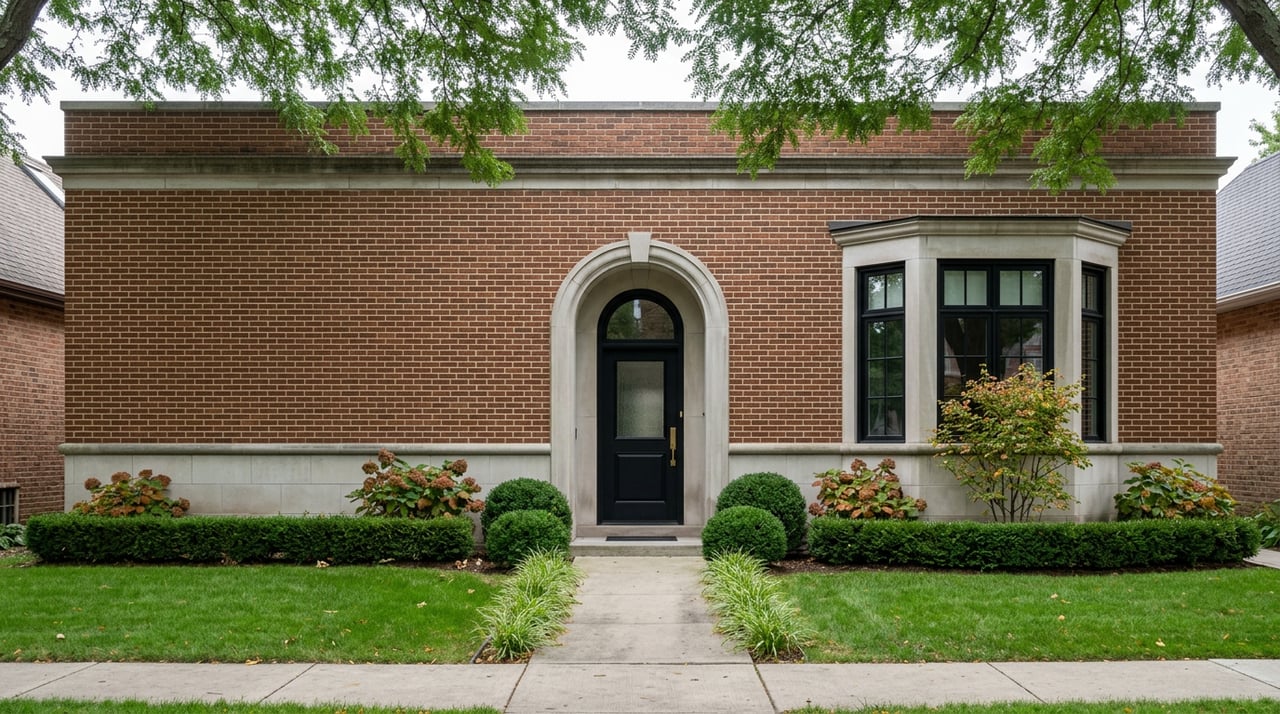
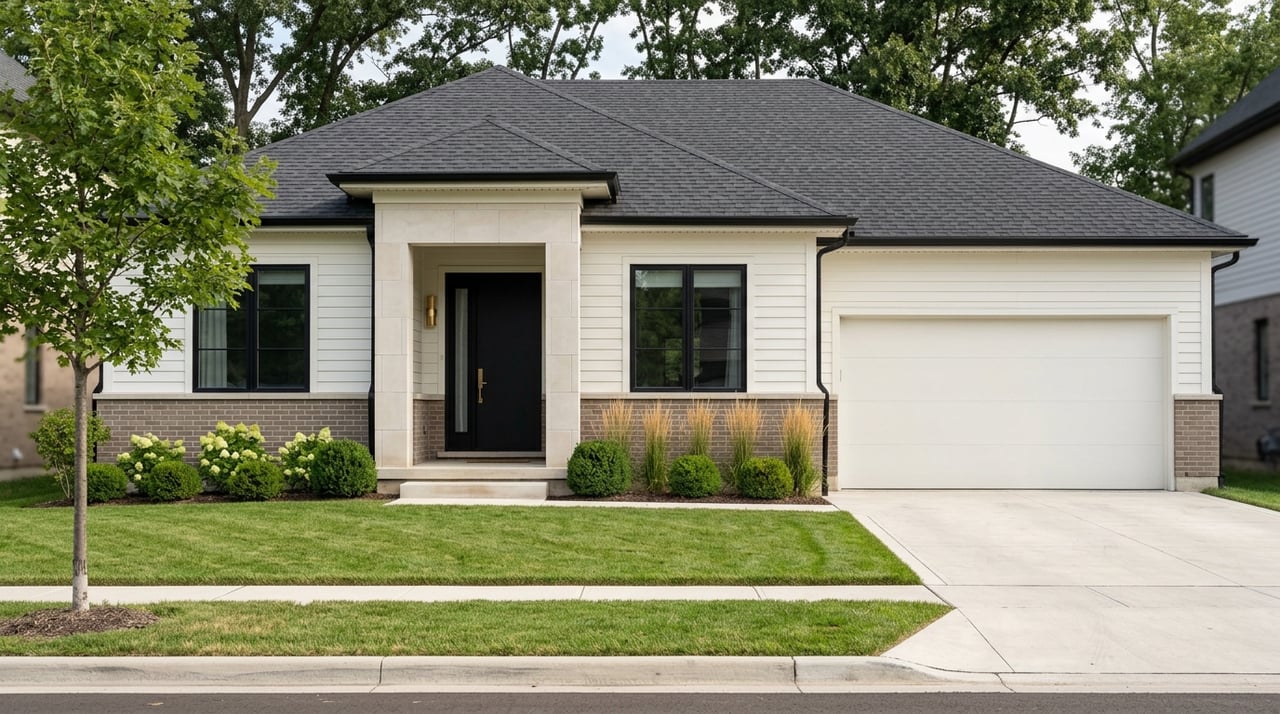
Trying to choose between a newer build and an established home in Frankfort? You are not alone. In a village where many homes are already relatively modern, this decision often comes down to lifestyle, maintenance comfort, and the kind of street feel you want every day. If you are weighing efficiency against character, or predictability against mature landscaping, this guide will help you sort through the trade-offs with Frankfort-specific context. Let’s dive in.
Why this choice matters in Frankfort
Frankfort is not a market where “old versus new” means the same thing it does in many other suburbs. According to the 2020-2024 ACS profile, the median year built in Frankfort is 1999, with 52.3% of homes built between 1990 and 2009 and 13.2% built in 2010 or later. That means even many “established” homes here are newer than the housing stock in surrounding areas.
Frankfort is also a heavily owner-occupied, single-family market. The same local profile shows that 80.8% of housing units are single-family detached and 94.8% are owner-occupied. For you as a buyer, that matters because most home choices here are designed for long-term living, not quick turnover.
Census QuickFacts adds another useful layer. It reports that 93.2% of residents lived in the same house one year earlier, which points to a stable market where many owners stay put. In other words, the home you choose in Frankfort is often less about a short-term compromise and more about long-term fit.
What newer builds usually offer
If you are drawn to move-in-ready living, newer construction may check a lot of boxes. In Frankfort, newer homes often appeal to buyers who want modern layouts, less immediate repair risk, and more predictable operating costs. That can be especially helpful if you want to avoid stacking renovation projects on top of a move.
Energy performance is one of the biggest advantages. Research in the report shows that newer U.S. homes used 21% less energy for space heating on average than older homes, and ENERGY STAR certified new homes are at least 15% more efficient than homes built to current code. For you, that can mean lower utility costs and fewer surprises, though exact savings depend on the individual home.
Frankfort’s building process also shows how structured new construction can be. The village requires stamped plans, window energy-conservation information, HVAC load calculations, and in some cases an arborist report for wooded lots. That level of documentation does not guarantee perfection, but it does reflect a process built around review and compliance.
New subdivisions can feel more controlled
A recent Linden Grove planned development gives a good picture of how Frankfort shapes newer neighborhoods. The village packet required at least three different house designs, specific architectural styles, masonry elements, and at least one side-loaded garage on each street. It also stated that a common detention area would be HOA-owned and maintained, and that lots could not be combined or split.
For some buyers, that kind of structure is a plus. You may like the consistent look, shared maintenance planning, and design standards. If you prefer a more managed subdivision environment, newer developments often align with that goal.
Newer does not always mean low effort
A newer home can reduce near-term repair concerns, but it is not automatically simple in every way. Frankfort planning packets show tree inventory reviews, preservation plans, and cash payments tied to certain removed preservation trees that are not mitigated on site. That means landscaping and exterior planning can still affect your budget.
You may also find that a new home comes with upgrade decisions that increase the total cost beyond the base price. Finishes, lot premiums, landscaping, and window treatments are common examples buyers need to plan for. So while the systems may be newer, the all-in cost still deserves a careful review.
What established homes often deliver
Established homes in Frankfort tend to win buyers over with setting and personality. If you love mature trees, a less uniform streetscape, and a more settled neighborhood feel, older sections of Frankfort may stand out right away. That appeal is not just visual. It often shapes how the street feels when you pull in after work or head out for a walk.
Frankfort’s own tree regulations help explain why. The village says landscaping is intended to reduce noise, heat, glare, dust, and visual intrusion while adding shade, privacy, oxygen regeneration, buffering, and stormwater runoff retardation. In practical terms, that is one reason established streets can feel more shaded and private than newer subdivisions.
Design guidelines near downtown also point to a different style of neighborhood character. Frankfort’s Downtown Residential Design Guidelines favor homes that complement surrounding structures, highlight the primary entry, and use features like porches, bay windows, step-backs, landscape treatments, and natural color palettes. This helps explain why some older areas feel more porch-forward and street-oriented.
Lot feel can vary by area
One of the biggest differences between newer and established homes can be the way the lot lives. In the R-2 single-family district, Frankfort lists a minimum lot size of 15,000 square feet, along with minimum width and depth standards. At the same time, a recent subdivision application sought reduced lot depths on some lots, showing that newer development can sometimes be more compact.
That does not mean every established home has a larger yard or every new home has a smaller one. It does mean you should compare specific streets and subdivisions instead of assuming. In Frankfort, lot dimensions and yard feel can shift quite a bit by location.
Budget trade-offs to think through
Frankfort is a major purchase no matter which direction you go. CMAP’s 2022 local snapshot put the median residential sales price at $492,500, while more recent public market reporting cited in the research showed a median sale price of $619K over a three-month period in mid-2026. Those figures are not directly comparable, but both support the same point: you are making a significant investment.
That is why the real question is not just purchase price. It is how your money gets allocated over time. A newer build may ask for more upfront through base price, design selections, and subdivision structure, while an established home may leave more room for future updates, repairs, or personalization.
If you want fewer near-term projects, a newer home may feel worth the premium. If you would rather pay for character, mature landscaping, or renovation upside, an established home may offer better long-term satisfaction. The right answer depends on what kind of spending feels manageable for you.
How to decide what fits your lifestyle
When buyers get stuck on this choice, it usually helps to move away from abstract labels and focus on daily life. Frankfort has plenty of family-sized homes, with a median of 8.2 rooms, 36.2% offering four bedrooms, and 19.5% offering five or more bedrooms. So the question is often not whether you can find enough space, but what kind of living experience you want around that space.
Ask yourself a few practical questions:
- Do you want lower utility use and fewer likely system upgrades in the short term?
- Do you care more about mature trees and a more settled street feel?
- Would you rather move into a polished, newer layout or take on updates over time?
- Are you comfortable with HOA-related maintenance structures if you buy in a newer subdivision?
- How important are lot size, driveway layout, and garage placement to your daily routine?
Your answers will usually point you in the right direction faster than broad assumptions about “better” homes. In Frankfort, both options can work well. They simply serve different priorities.
A smart way to compare homes in Frankfort
If you are actively shopping, compare homes in a side-by-side way instead of relying on age alone. A newer home may save you money on heating and repairs, but an established home may offer a setting you cannot easily recreate. The goal is to evaluate total lifestyle fit, not just finishes.
As you tour homes, pay attention to:
- Utility efficiency features and age of major systems
- Tree coverage and landscaping maturity
- Lot depth, backyard usability, and privacy
- Exterior maintenance needs
- Street layout and neighborhood consistency
- HOA structure or shared-maintenance features in newer developments
- The cost of updates you would want to make within the first few years
This kind of comparison helps you stay grounded. It can also keep you from overpaying for upgrades you do not value or underestimating the cost of a home that needs work.
In a market like Frankfort, where owners tend to stay and homes are often used for the long haul, that clarity matters. Choosing between newer builds and established homes is really about choosing the version of daily life that fits you best.
If you want help comparing specific Frankfort homes, pricing trade-offs, or resale potential across neighborhoods, Christina Horne can guide you through the numbers and the real-life pros and cons so you can buy with confidence.
FAQs
What is the main difference between newer builds and established homes in Frankfort?
- In Frankfort, newer builds often offer better energy efficiency, newer systems, and a more controlled subdivision setting, while established homes often offer mature trees, more character, and a more settled street feel.
Are most homes in Frankfort relatively new compared with other areas?
- Yes. The research report shows Frankfort’s median year built is 1999, which is newer than Will County’s 1992 and much newer than the broader CMAP region’s 1970.
Do newer homes in Frankfort usually have lower utility costs?
- They often can, because the research report cites data showing newer homes generally use less energy for space heating and that ENERGY STAR certified new homes are at least 15% more efficient than homes built to current code.
Do established Frankfort homes usually have larger or more private yards?
- Sometimes, but not always. The research report shows lot size and depth can vary by district and subdivision, and some newer developments may be more compact even when the homes themselves are larger.
Is Frankfort mostly a single-family home market?
- Yes. The research report states that 80.8% of housing units in Frankfort are single-family detached, which makes this a strongly single-family-oriented market.
How should you compare a newer Frankfort home with an established one?
- Focus on total lifestyle fit, including utility efficiency, system age, landscaping, lot feel, possible updates, and whether you prefer a managed subdivision environment or a more established streetscape.