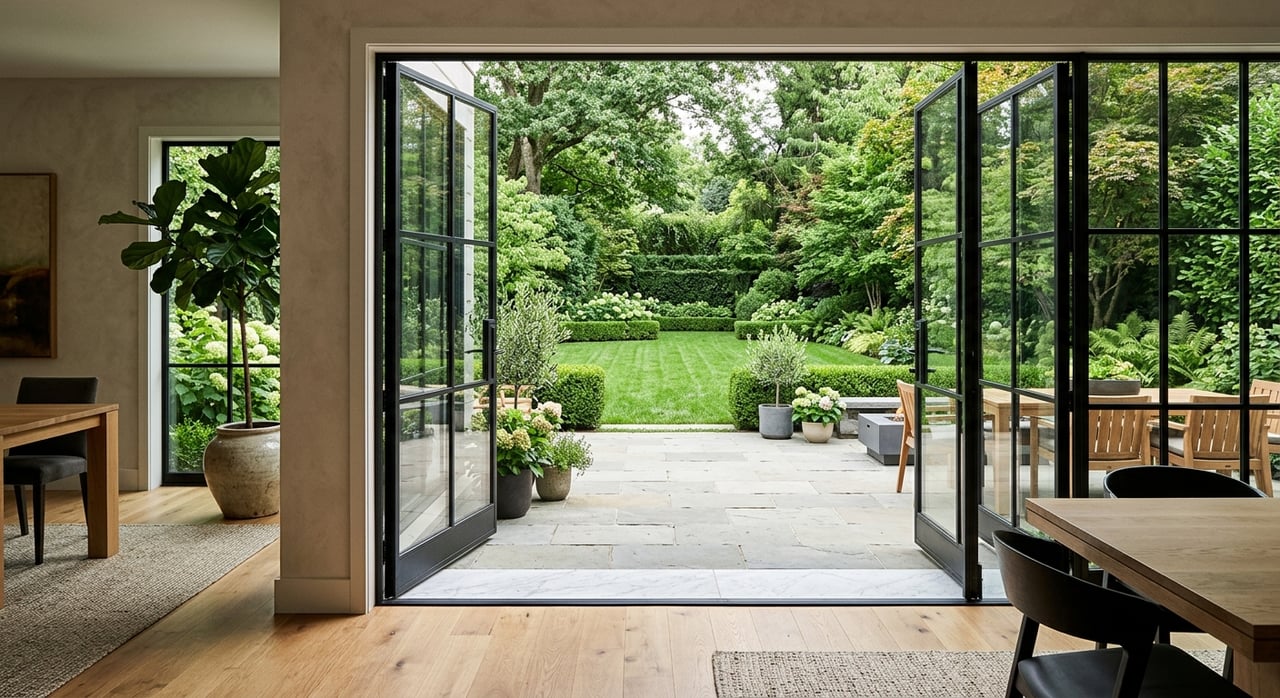
Thinking about trading your Chicago condo or smaller city home for more room to spread out? If you are craving extra bedrooms, a bigger yard, and a quieter day-to-day setting without losing access to downtown, Olympia Fields is one south-suburban option worth a closer look. Here’s what you should know about space, commute, lifestyle, and timing if you are upsizing to Olympia Fields from the city. Let’s dive in.
Why Olympia Fields appeals to city buyers
Olympia Fields is a small south-suburban village with 4,734 residents and a homeowner-heavy housing profile. About 88.8% of housing units are owner-occupied, which gives the community a very different feel from many city neighborhoods with a larger mix of condos and rentals.
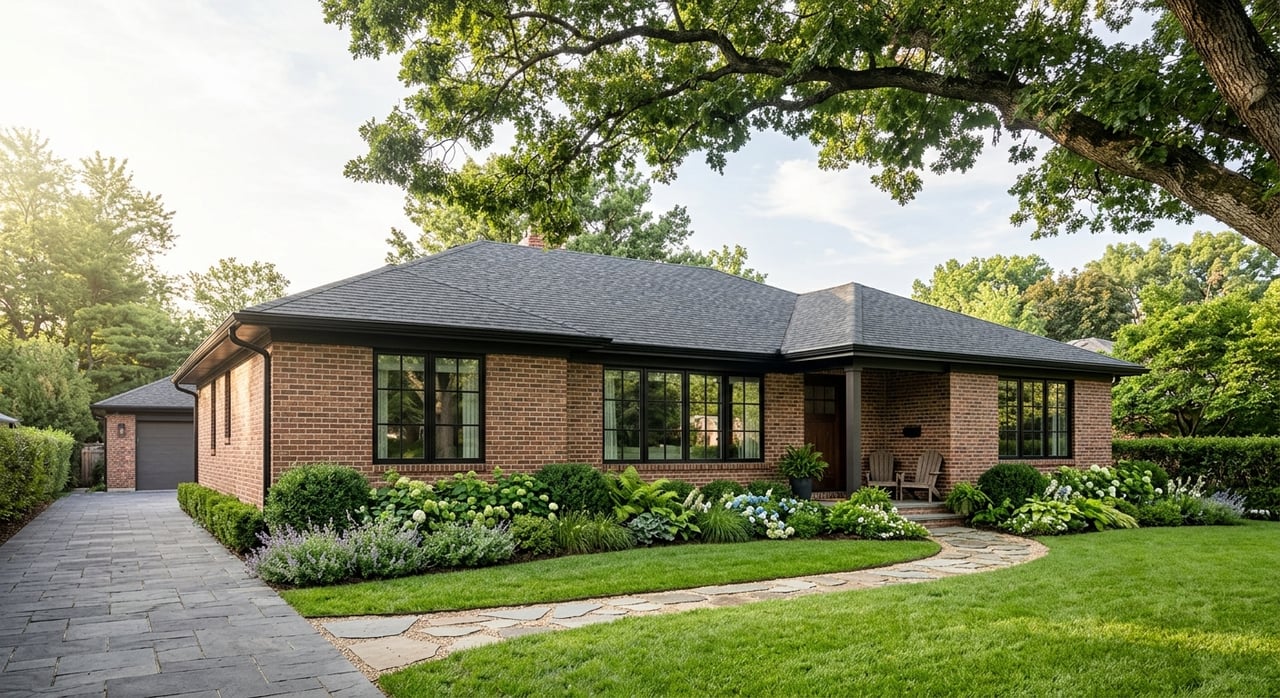
The village describes itself as a bedroom community with tree canopy, greenspace, parkland, and room to grow. If you are moving from a denser part of Chicago, that shift often shows up right away in the form of wider lots, more detached homes, and a calmer residential setting.
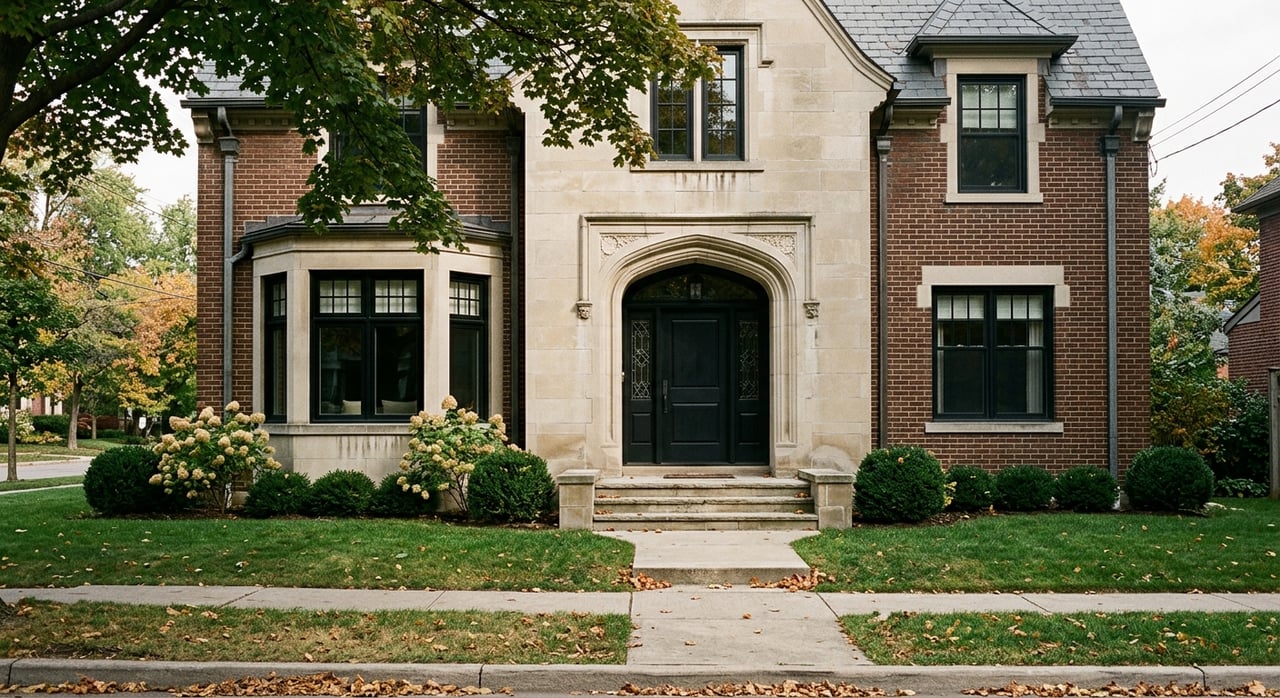
Another big difference is housing type. In Olympia Fields, 86.3% of housing units are single-family detached homes, which makes it a natural fit if your main goal is simply more house.
What upsizing can look like here
If your current home feels tight, Olympia Fields offers a size profile that supports a move-up purchase. The median number of rooms is 7.9, while 35.6% of homes have 4 bedrooms and 18.7% have 5 or more bedrooms.
That matters if you need flexible space for a home office, guest room, workout area, or storage that city homes often lack. For many buyers, upsizing is not just about square footage. It is about making daily life easier.
The housing stock here is also more established than brand-new. The median year built is 1980, so many homes reflect mature suburban development rather than large-scale new construction.
Expect more lot space and lower density
Olympia Fields land use leans heavily toward space. About 45.4% of the village is single-family residential, and 11.3% is open space.
For you as a buyer, that often translates to more yard space and more separation between homes than you may be used to in the city. It also supports the village’s reputation for tree canopy and parkland.
Current and recent market examples help show the range. Spring 2026 sales ranged from about 1,622 square feet to 3,804 square feet, while active examples included homes around 3,224 square feet on a 0.35-acre lot, 4,587 square feet on a 0.39-acre lot, and another listing on a 0.65-acre lot.
These examples are not market averages, but they do illustrate the kind of move-up inventory buyers may find in Olympia Fields. If your goal is a bigger home and a usable yard, this is the type of housing stock that can make the move feel meaningful.
Daily life in Olympia Fields
Moving from Chicago to Olympia Fields is not only a housing decision. It is also a lifestyle adjustment.
The local amenity base is practical rather than urban-dense. The village lists restaurants, grocery options, pharmacy, immediate care, banking, gas stations, and government services, and its homepage highlights Olympia Fields Country Club and Olympia Fields Hospital.
If you are used to walking to multiple stores, cafes, or restaurants in a few blocks, suburban life may feel more spread out. On the other hand, if your priority is convenience, parking, and a more residential routine, the day-to-day setup may be a better fit.
Parks and open space matter here
One of the strongest lifestyle benefits in Olympia Fields is access to recreation and green space. The park district covers 144.7 acres and includes trails, disc golf, sports fields, a splash pad, and Irons Oaks Environmental Learning Center.
For many move-up buyers, this kind of outdoor access is a key reason to leave the city. It gives you more room for everyday recreation close to home, not just on weekends.
The village also contracts for library services with Park Forest. That is another useful detail to keep in mind as you compare how daily services differ from your current neighborhood.
Commute options from Olympia Fields
If you still need access to Chicago, Olympia Fields offers more than one way to manage the trip. The village sits on U.S. Route 30 about two miles west of I-57 and is served by the Olympia Fields and 211th Street Metra Electric stations.
The village also notes Pace bus service on Lincoln Highway and daily parking at the Olympia Fields station. That can help if you want a train option but do not live within walking distance of the station.
According to the village, downtown Chicago is about a 45-minute train ride away. CMAP data shows a mean commute time of 42.8 minutes, with 7.3% of residents using transit and 63.2% driving alone.
Prepare for a more car-oriented routine
One of the biggest adjustments for city buyers is transportation. Olympia Fields can work well for commuters, but it is still more car-oriented than many Chicago neighborhoods.
That pattern shows up in household vehicle ownership. In the village, 46.3% of occupied households have two vehicles and 14.9% have three or more.
If you currently share one car or rely mostly on transit, it is smart to think through your future routine before you buy. Your housing budget should reflect not only the home itself, but also the transportation setup that comes with suburban living.
What the market says right now
Over the three months ending in May 2026, Olympia Fields had a median sale price of about $331,000. The median days on market was 98, and the median sale-to-list ratio was 96.5%.
That data suggests a market where buyers may have some room to plan, but not enough room to be casual about timing. If you are selling in the city and buying in the suburbs, coordination still matters.
This is especially true when you are trying to line up proceeds from your current home with the purchase of your next one. Even in a somewhat competitive market, the best outcomes usually come from planning ahead.
How to time a city-to-suburb move
For many upsizers, the hardest part is not choosing the house. It is syncing two transactions without unnecessary stress.
Consumer guidance cited in the research says buyers often try to sell their current home before buying another one. It also notes that loan closing and home purchase closing typically happen at the same time.
That is why early planning matters. If you know you want to move to Olympia Fields, it helps to get clear on your current home value, your likely sale timeline, and what you can comfortably purchase before you start touring seriously.
Budget for the full monthly cost
When you upsize, your costs do not stop at the purchase price. A larger home can also mean higher property taxes, insurance, repairs, and possibly HOA fees if applicable.
Closing costs are another key part of the equation. The research report notes that lenders may estimate closing costs at 2% to 5% of the purchase price before the down payment.
That is why a smart move-up plan looks at monthly carrying cost, not just what you can qualify for on paper. A home that feels affordable at first glance can look very different once all ongoing costs are included.
Get financially ready before you shop
Lenders look at several factors when deciding whether to lend, including income, assets, employment, savings, debts, your credit report, and your credit score. If you are moving from the city to a larger suburban home, reviewing those pieces early can help you avoid delays later.
A practical approach is to get preapproved early, keep reserves for closing and moving costs, and avoid taking on new debt right before buying. That can make your offer stronger and your transition smoother.
It also helps you shop with more confidence. Instead of guessing, you can focus on homes that truly fit your numbers and your goals.
Questions to ask before upsizing
Before you make the move, ask yourself a few practical questions:
- How much additional space do you actually need?
- Do you want a larger yard, a dedicated office, or more bedrooms?
- How often will you commute to Chicago?
- Will your household likely need one car, two cars, or more?
- What monthly payment feels comfortable once taxes, insurance, and upkeep are included?
- Do you need to sell first to unlock your down payment?
Clear answers can help you narrow your search and avoid buying more house than you need.
Why local guidance matters
A move from Chicago to Olympia Fields is not just a zip code change. It involves different housing stock, different commute patterns, and a different pace of life.
That is where local, neighborhood-first guidance can make a real difference. When you understand the local inventory, pricing, and timing issues, it becomes much easier to build a realistic plan and move with confidence.
If you are considering upsizing to Olympia Fields from the city, working with someone who knows both the south suburbs and the moving parts of a sell-and-buy transition can help you make smarter decisions at every step. When you are ready to talk through timing, pricing, and what kind of home fits your next chapter, connect with Christina Horne.
FAQs
What kind of homes can you expect in Olympia Fields?
- Olympia Fields is dominated by single-family detached homes, which make up 86.3% of housing units, and many homes offer more rooms, more bedrooms, and larger lots than a typical city condo or smaller house.
Is Olympia Fields a good option for buyers leaving Chicago?
- It can be a strong option if your main priorities are more space, more yard area, and a residential suburban setting with train access to downtown Chicago.
How long is the commute from Olympia Fields to downtown Chicago?
- The village says downtown Chicago is about a 45-minute train ride away, and CMAP reports a mean commute time of 42.8 minutes.
Do you usually need a car in Olympia Fields?
- Many households do. CMAP data shows 46.3% of occupied households have two vehicles and 14.9% have three or more, which reflects a more car-oriented suburban pattern.
How should you budget for an upsizing move to Olympia Fields?
- Focus on the full monthly cost, including mortgage payment, property taxes, insurance, repairs, and closing costs, rather than looking only at the purchase price.
What should you verify before buying a home in Olympia Fields?
- You should verify address-specific details that matter to your household, including commute logistics and school assignment information, since the village says several public and private districts serve the area and assignments should be checked by address.