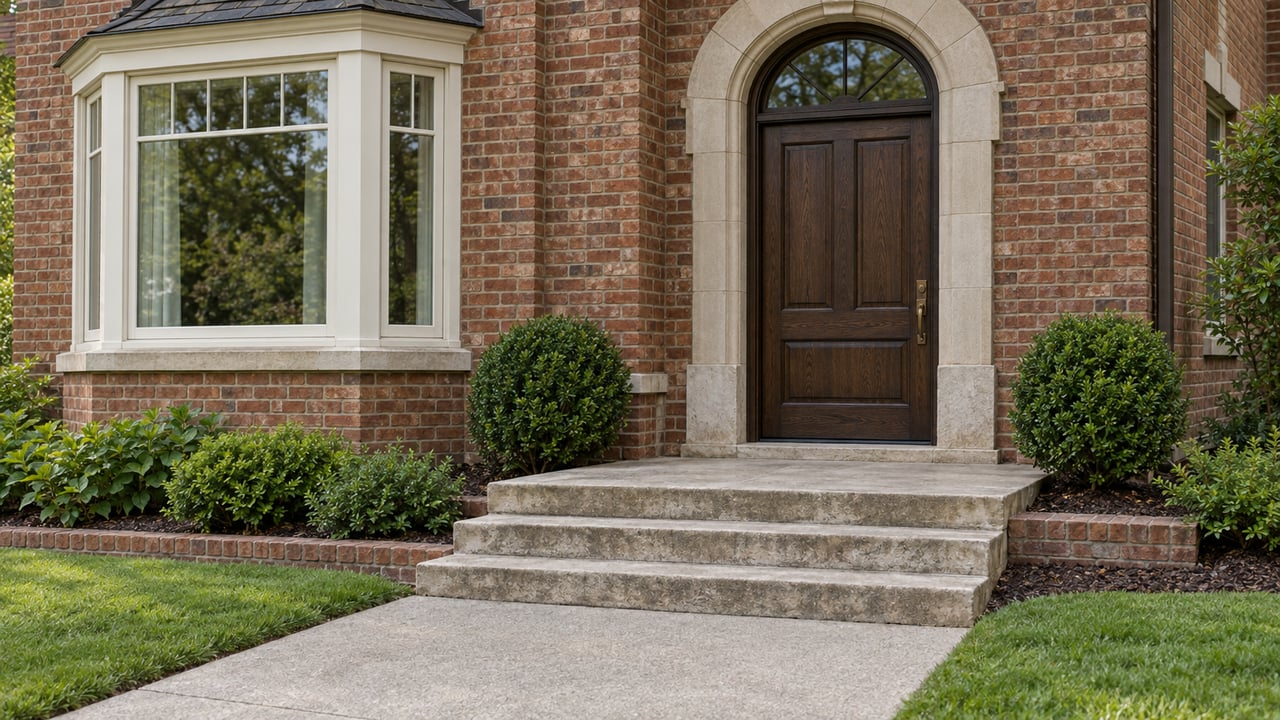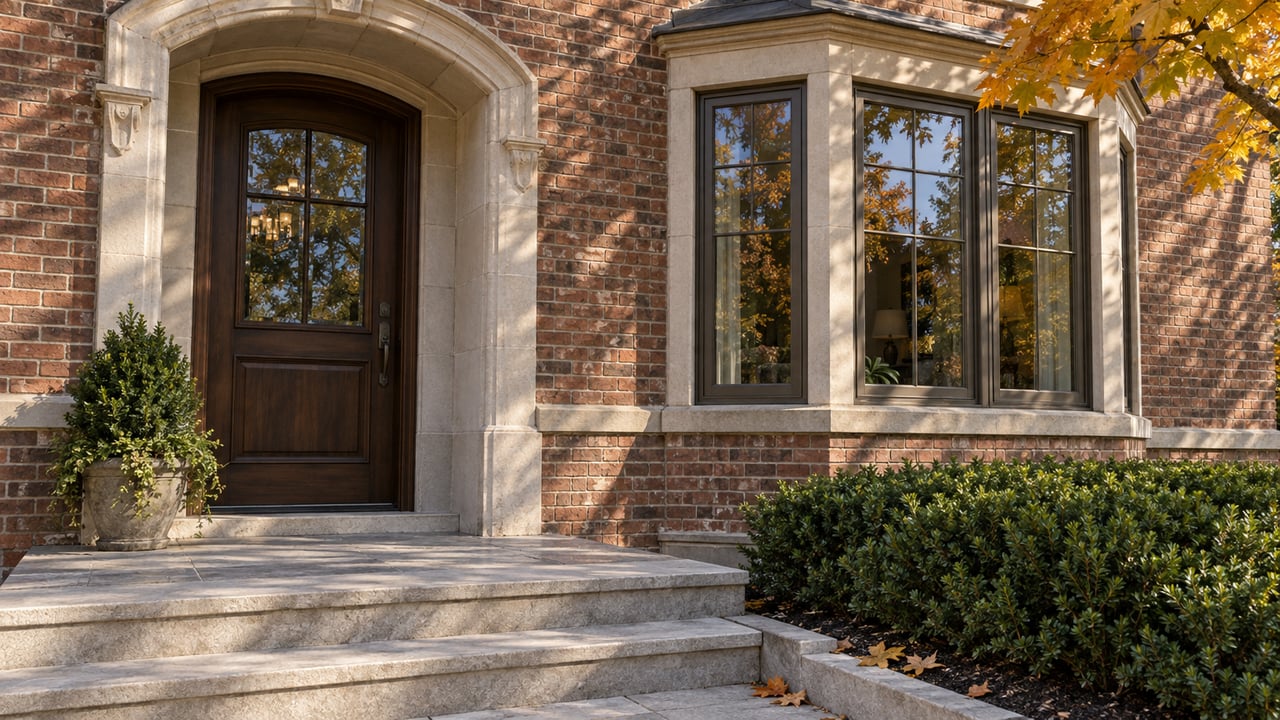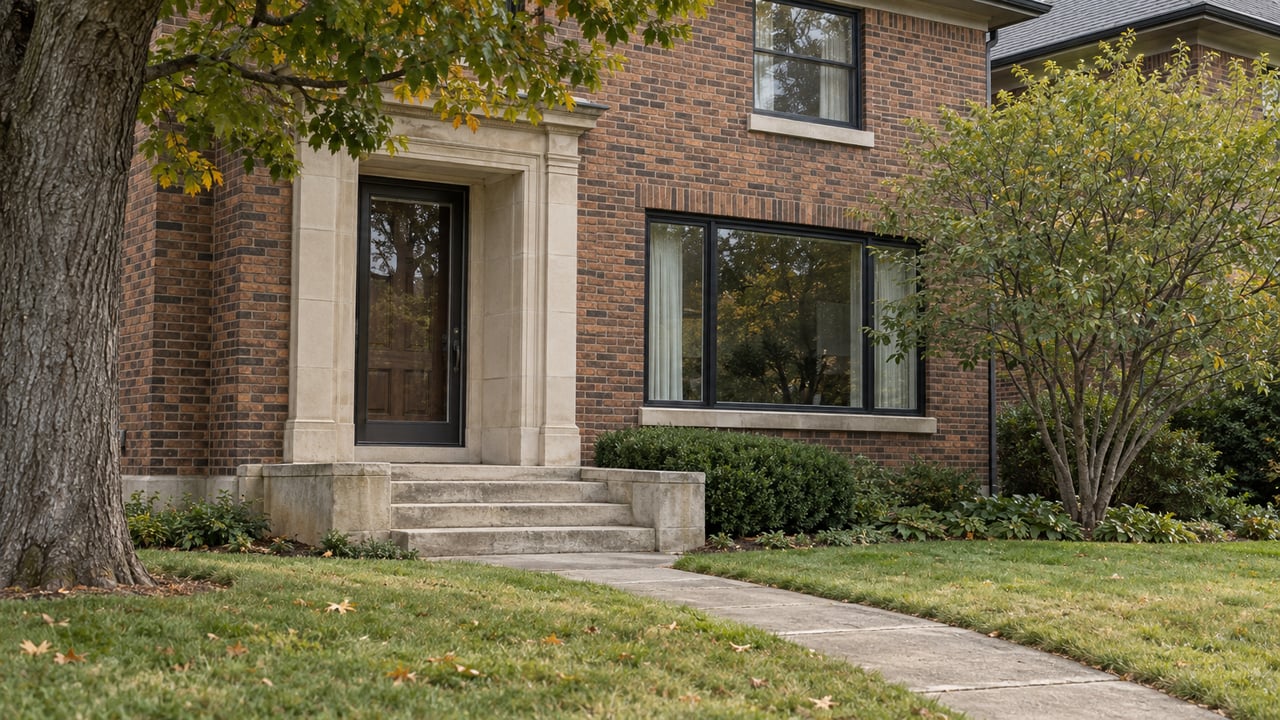
Wondering what kind of home you will actually find in Homewood? If you are starting your search, it helps to know that this market is not made up of one look or one era. Homewood has a mix of classic bungalows, practical ranches, split-level homes, and some lower-maintenance condos and townhomes. That variety can be a real advantage when you want a home that fits your budget, layout needs, and style preferences. Let’s dive in.
Why Homewood Has So Much Variety
Homewood’s housing mix reflects how the community grew over time. The village developed around the Illinois Central Railroad in the 1850s, saw a building boom in the 1920s, and expanded again after World War II.
That timeline helps explain why you will see older brick homes alongside mid-century layouts instead of only newer subdivision-style construction. According to Census Reporter, Homewood has 7,468 housing units, with 80% classified as single-unit housing and 82% owner occupancy.
For buyers, that means detached homes still make up the heart of the market. At the same time, attached options are part of the picture too, especially as downtown redevelopment adds more mixed-use and apartment inventory near the village core.
Chicago Bungalows In Homewood
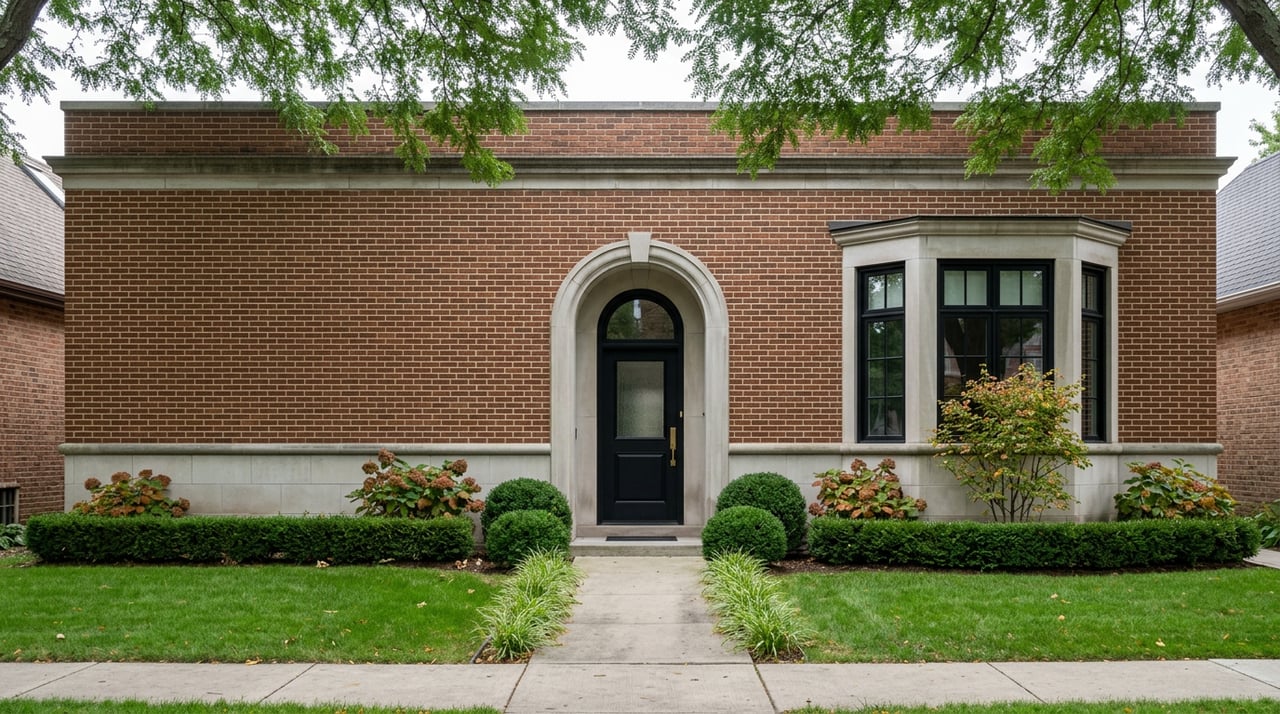
Chicago bungalows are one of the most recognizable home styles you may see in Homewood. These homes are typically brick, about one-and-a-half stories, and built above a basement.
They often feature low-pitched hipped roofs, wide roof overhangs, front porches reached by steps, and generous front windows. The Chicago Bungalow Association places this style mainly from the 1910s through the mid-1930s, which lines up well with Homewood’s earlier growth periods.
What Buyers Often Like About Bungalows
If you love vintage character, bungalows tend to stand out. You may find details like hardwood floors, fireplaces, sunrooms, and solid brick construction in homes from this era.
They also often offer useful attic or basement space, which can give you more flexibility than the square footage number alone suggests. In Homewood, recent examples have included all-brick bungalows and homes with updated garages and HVAC systems.
What To Watch For In Bungalows
The same features that make a bungalow charming can also mean more variation from one property to the next. Some may have updated systems and finishes, while others may still reflect older materials or past renovation choices.
You should also expect stairs at the front entry in many cases. If easy access is a priority, that is something to pay attention to during showings.
Ranch Homes In Homewood
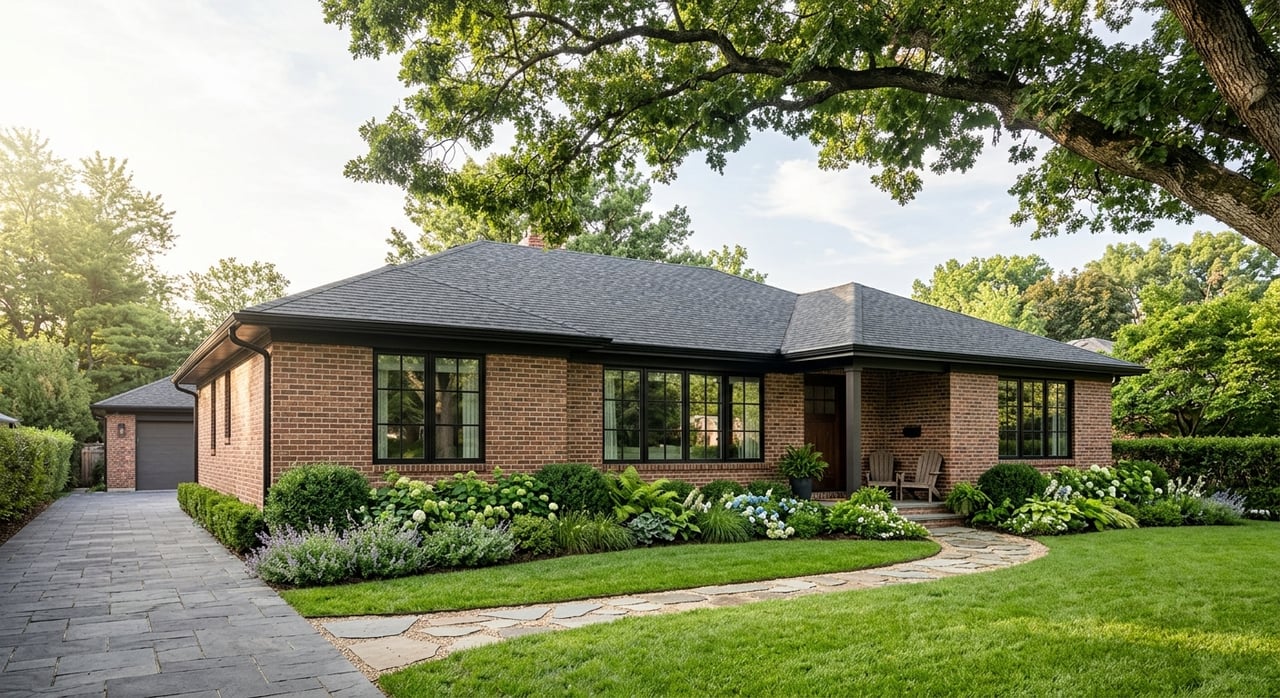
Ranch homes are another common option in Homewood, especially for buyers who want a simpler layout. These homes are usually one story, asymmetrical in shape, and built with low-pitched roofs and wood or brick exteriors.
Many ranch homes were built from the 1940s through the 1970s, which fits Homewood’s postwar growth. Local examples include homes built in the 1950s with three-bedroom layouts and price points that can appeal to first-time or budget-conscious buyers.
Why Ranch Layouts Appeal To Many Buyers
The biggest draw of a ranch is often single-level living. Daily movement through the home can feel easier when the main living areas and bedrooms are on one floor.
That layout can also make furniture planning more straightforward. If you want a home with fewer stairs and a practical footprint, a ranch may be one of the first styles worth touring.
What Varies From Ranch To Ranch
Not every ranch in Homewood will feel the same. Some have been extensively updated, while others still have more original kitchens, baths, or floor plans.
Lot size, garage setup, and basement space can also differ quite a bit. That is why it helps to compare several homes rather than assuming every ranch will offer the same level of finish or function.
Split-Level Homes In Homewood
If you want more separation between living areas and bedrooms, a split-level may catch your eye. These homes usually have two or three staggered levels, low-pitched roofs, and overhanging eaves.
In many split-level layouts, the bedrooms are upstairs while the lower level may include a family room or garage access. A current Homewood example cited in market reporting includes a 1963 build date, three bedrooms, two baths, a full basement, and a detached two-car garage.
Pros Of The Split-Level Design
Split-level homes can create a useful sense of separation without the full vertical feel of a traditional two-story house. You may like having quieter bedroom areas set apart from the main living spaces.
For some buyers, that setup feels more functional for daily routines. It can also give the home a mid-century character that is different from both ranches and bungalows.
Tradeoffs To Keep In Mind
The main tradeoff is simple: stairs. Even though split-levels are not always tall homes, they usually require you to move up and down shorter flights throughout the day.
If avoiding steps matters to you, this style may feel less convenient than a ranch. The layout can work very well for some households, but it is best to think through how you live day to day.
Condos And Townhomes In Homewood
Detached homes may dominate Homewood’s housing stock, but attached housing still plays a meaningful role in the market. Redfin reported 41 condos, one townhouse, and one multi-family unit for sale in Homewood last month.
That matters if you want a lower-maintenance option or a different price point. Recent examples have included a townhome that sold for $177,000 and a condo listed at $150,000 with in-unit laundry, a private balcony, and basement storage.
When Attached Housing Makes Sense
Condos and townhomes can be a practical fit if you want less exterior upkeep. They may also open the door to Homewood ownership at a lower price than some detached homes.
For first-time buyers especially, that can make the search feel more manageable. You still want to review the layout, storage, monthly costs, and any HOA rules carefully before deciding.
What To Expect From This Segment
Attached housing often means shared-wall living and some level of association oversight. That is not necessarily a negative, but it does shape the ownership experience.
The key is to compare the tradeoff between maintenance savings and the limits that can come with shared buildings or community rules. For some buyers, that balance works very well.
What Home Styles Mean For Your Budget
Homewood offers a broad middle-market range, which is one reason it stays on many buyers’ radar. Based on the research provided, bungalow and ranch listings have appeared around the high-$100,000s to the mid-$200,000s.
Split-level homes have shown up around the mid-$200,000s. Attached housing has ranged from roughly the low-$100,000s into the high-$100,000s and low-$200,000s, depending on size and updates.
That range fits with Homewood’s broader market snapshot. Census Reporter lists a median owner-occupied value of $221,100, while Redfin’s May 2026 snapshot for 60430 showed a median sale price of $247,000, a 98.4% sale-to-list ratio, and 67 average days on market.
How To Choose The Right Style For You
The best Homewood home style depends less on trend and more on how you want to live. A bungalow may be right for you if you value character and flexible basement or attic space.
A ranch may make more sense if you want straightforward single-level living. A split-level may work well if you like separation between living and sleeping areas, while a condo or townhome may be the better fit if lower exterior maintenance is high on your list.
Here are a few smart questions to ask during your search:
- How comfortable are you with stairs each day?
- Do you want vintage details or a more simplified layout?
- How important is basement, attic, or storage space?
- Would you rather handle exterior upkeep yourself or have a more maintenance-light setup?
- Does your budget point you toward detached or attached housing?
Why Local Guidance Matters In Homewood
Because Homewood has homes from several different eras, two properties at similar price points can live very differently. A brick bungalow, a 1950s ranch, and a 1960s split-level may each offer something valuable, but they are not interchangeable.
That is where local, hands-on guidance can help. When you understand the common layouts, likely tradeoffs, and typical price ranges in Homewood, you can search with more confidence and make cleaner comparisons.
If you are thinking about buying or selling in Homewood, Christina Horne can help you evaluate the local market, narrow the right home style for your needs, and move through the process with clear, personalized guidance.
FAQs
What home styles are most common in Homewood, IL?
- Homewood is known mostly for detached single-family homes, especially bungalows, ranches, and split-levels, with condos and townhomes also available in smaller numbers.
What is a Chicago bungalow in Homewood, IL?
- In Homewood, a Chicago bungalow is typically a brick home with about one-and-a-half stories, a basement, a low-pitched hipped roof, wide overhangs, and a front porch reached by steps.
Are ranch homes in Homewood, IL good for buyers who want fewer stairs?
- Ranch homes are often a strong option if you want fewer stairs because they usually offer single-level living.
Are split-level homes in Homewood, IL more affordable than ranches or bungalows?
- Split-level pricing can vary, but the research provided shows them around the mid-$200,000s, while ranches and bungalows have appeared from the high-$100,000s to the mid-$200,000s.
Are there condos and townhomes in Homewood, IL?
- Yes, condos and townhomes are part of the Homewood market and can offer lower-maintenance living and a different price point than many detached homes.
What is the typical home price range in Homewood, IL?
- Based on the research provided, attached housing can start in the low-$100,000s, while many detached homes fall from the high-$100,000s into the mid-$200,000s, with a reported median sale price of $247,000 in May 2026 for 60430.