
What does daily life look like in a southwest suburban community that blends space, convenience, and easy access to Chicago? If you are weighing a move to Orland Park, you likely want a clear picture of neighborhoods, commute choices, schools, and how weekends really feel. This guide walks you through what locals love, what to consider when buying, and practical tips to make your decision with confidence. Let’s dive in.
Where Orland Park fits in Chicagoland
Orland Park sits in Cook County, roughly 25 to 30 miles southwest of downtown Chicago. Many residents commute to job centers in the city and throughout the south and southwest suburbs. The village serves as a retail and lifestyle hub for the area, with major shopping corridors and a compact downtown-style core for dining and local events.
You get a suburban feel with established neighborhoods, newer subdivisions, and a strong parks and recreation network. If you want more living space than most city options while staying connected to Chicago, Orland Park offers that balance.
Housing and neighborhoods
Orland Park offers a range of home styles and settings across different pockets of the village.
Home styles you’ll see
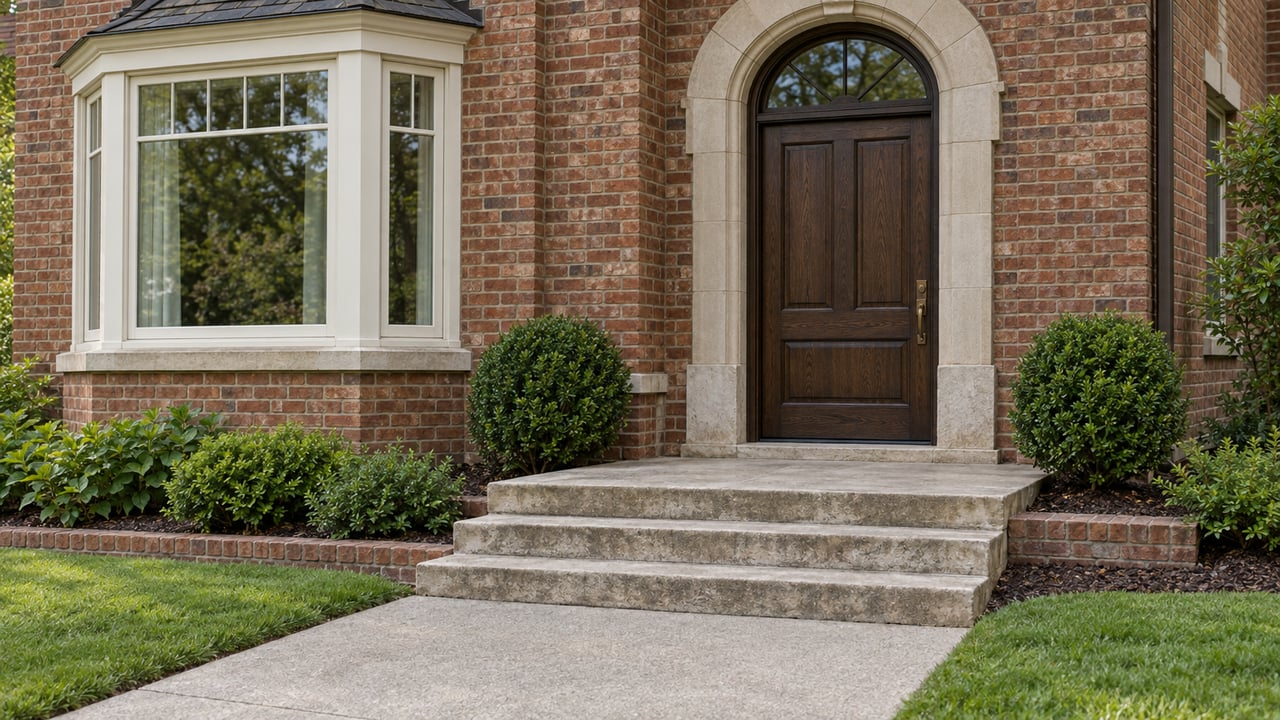
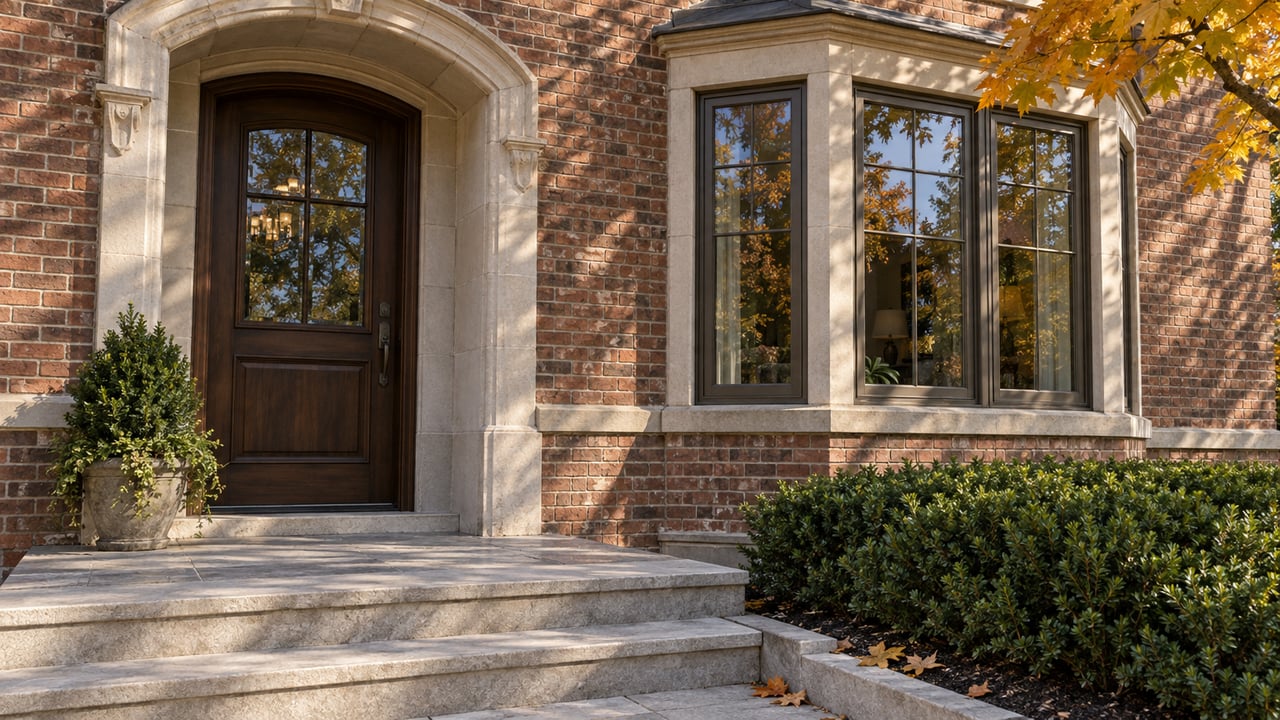
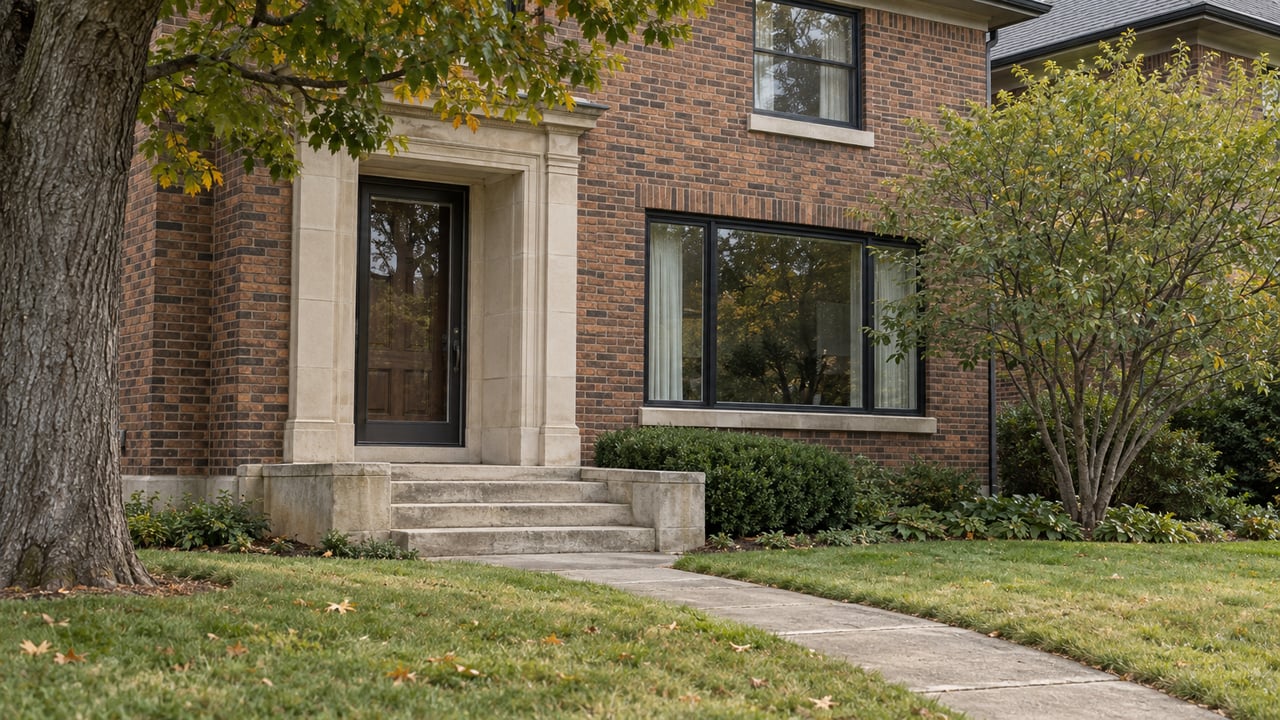
- Single-family homes are common. In older neighborhoods you’ll find mid-century ranches and two-story colonials. Newer areas feature larger two-story and custom builds.
- Townhomes and condos cluster near commercial corridors and in planned communities. These work well if you prefer lower maintenance living or are downsizing.
- New construction appears in periodic subdivisions and infill projects, often on the edges of the village, with modern floor plans and larger lots.
Lot sizes and layouts
Older pockets tend to have modest lots with classic floor plans. Newer subdivisions often provide larger lots, attached garages, open-concept living areas, and common 3 to 5 bedroom layouts. You can choose between a walkable, established block or a cul-de-sac setting with community amenities.
Price expectations
As market conditions shift seasonally, pricing spans several tiers. Condos and townhomes often list in lower to mid price ranges for the region, starter single-family homes tend to reflect entry-level suburban prices, and larger or newer single-family homes can reach mid to higher suburban tiers. Spring and summer are typically the busiest listing seasons. Always review current neighborhood-level data before you write an offer.
Buyer tips to protect your purchase
- Review HOA rules, budgets, and fees for any condo or townhome.
- Verify floodplain maps and stormwater assessments for homes in lower-lying parts of the south suburbs.
- Check Cook County property tax assessment history and available exemptions such as homestead or senior.
- Visit at different times of day to understand traffic, parking, and general noise patterns.
Daily life: shopping, dining, parks
Orland Park is built for convenience. You will find a mix of regional shopping centers and everyday services along the main arterials, plus local coffee shops, restaurants, and small retailers in more walkable pockets.
Shopping and errands
Major retail corridors offer supermarkets, pharmacies, banks, and big-box options, which makes errands efficient. The village’s main shopping areas draw visitors from nearby suburbs, so you have a wide selection of goods and services without a long drive.
Dining and nightlife
Dining spans national chains and independent restaurants with American, Italian, Mexican or Latin, and Asian options. The evening scene is casual and low-key, centered on family-friendly spots, neighborhood bars, and seasonal events. Weekend farmers markets and community festivals add variety to the calendar.
Parks and outdoor recreation
The local park district maintains neighborhood parks, playgrounds, athletic fields, community pools, and indoor recreation facilities. You also have easy access to Cook County Forest Preserves and regional trails for hiking, biking, and nature time. Golf courses and youth or adult leagues are active throughout the year.
Schools and lifelong learning
Public schools serve Orland Park through local elementary or feeder districts and a consolidated high school district. Many families choose neighborhoods based on school assignment, so it is smart to confirm the exact attendance boundaries for any home you are considering.
For objective research, review state report cards and independent school-rating sites to see test scores, programs, and student-to-teacher ratios. Higher education options, including regional community colleges and private colleges, are within a reasonable commute.
Healthcare and services
Residents have access to local medical groups, urgent care centers, and nearby hospitals in the south and southwest suburbs. Primary care, dental, and specialty practices are easy to reach for routine visits and follow-ups.
Getting around: drive, train, and more
Transportation is a key part of daily life. Orland Park’s location gives you flexible options depending on where you work.
Driving and expressways
Primary local arterials connect you to the region’s expressways and tollways. The drive to downtown Chicago is approximately 25 to 30 miles, with travel times that often range from 35 to 60 minutes or more depending on traffic and time of day. Test your commute during rush hour from the specific address you are considering.
Metra and Pace bus
Orland Park is served by a Metra commuter rail line with direct weekday service into downtown Chicago. Travel times depend on the station and whether the train is local or express. Pace buses provide connections to shopping areas, train stations, and nearby suburbs. Some stations offer park-and-ride lots, which helps if you plan to drive to the train.
Biking and trails
Local sidewalks and neighborhood trails connect to longer regional routes through the forest preserve system. For recreation or short trips, many areas are bike and pedestrian friendly.
Airports
Both Midway and O’Hare airports are reachable by car. Typical drive times vary with traffic and time of day, often ranging from about 30 minutes to over an hour.
Who loves Orland Park?
Families
You will find family-focused programs, leagues, parks, pools, and year-round activities through the park district. Neighborhood choices range from established blocks near the civic core to planned subdivisions close to schools and playgrounds.
Commuters
If you split your time between the city and the suburbs, the Metra line and regional expressways offer flexibility. Many buyers place a premium on proximity to a station or reliable access to a preferred expressway ramp.
First-time buyers
Condos and townhomes can be a smart entry point if you prefer low maintenance and a convenient location. Starter single-family homes in established neighborhoods let you build equity while staying close to shopping and parks.
Downsizers and empty nesters
Townhome and condo communities appeal if you want main-level living, attached garages, and less yard work. Newer developments may offer open layouts, modern finishes, and association-maintained exteriors.
Smart next steps for buyers
- Confirm school zones for any address you like and review objective school report data.
- Pull the Cook County property tax history and check your eligibility for exemptions.
- Verify HOA details and special assessments for condos or townhomes.
- Check Metra schedules and parking options if rail commuting matters.
- Drive your commute at rush hour, and visit the neighborhood on weekdays and weekends.
If you want a local, hands-on guide to Orland Park neighborhoods and current pricing, connect with Christina Horne for a conversation about your timeline, budget, and wish list. With deep local expertise and a concierge approach, Christina will help you compare micro-neighborhoods, line up tours, and move forward with confidence through closing. Reach out to Christina Horne to get started.
FAQs
How far is Orland Park from downtown Chicago?
- Orland Park sits about 25 to 30 miles southwest of downtown, and drive times vary widely with traffic.
What types of homes are common in Orland Park?
- You will find many single-family homes, plus townhomes and condos near commercial areas, and occasional new-construction subdivisions.
What is the commute like from Orland Park?
- Driving can range from 35 to 60 minutes or more depending on traffic; Metra offers direct weekday rail service into downtown Chicago.
Are there parks and recreation options nearby?
- Yes, the park district operates parks, pools, and facilities, and you have access to Cook County Forest Preserves and regional trails.
How are the schools in Orland Park?
- Multiple public districts serve the village; review state report cards and independent rating sites, and confirm exact school boundaries for any address.
What should first-time buyers know about buying here?
- Set a budget range, consider condos or townhomes for lower maintenance, review HOA rules, and verify taxes and commute before making an offer.
Are property taxes high in Orland Park?
- Property taxes vary by parcel; review the Cook County assessment history and available exemptions such as homestead or senior for a specific home.